The ABS system prevents the wheels from locking during braking. The system increases safety when turning. With a damaged system…

How does air conditioning work in a car?
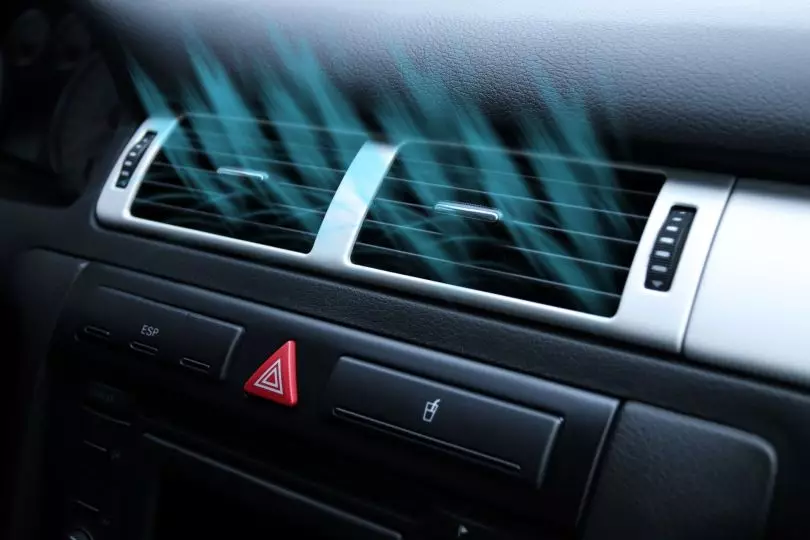

Air conditioning in a car is one of the elements whose importance we appreciate most on hot summer days. It creates a comfortable and cool environment that helps us stay focused on the road, regardless of the heat outside. But have you ever wondered how it all works?
Construction of car air conditioning
Air conditioning in the car consists of several key components that work together to ensure proper cooling. Here they are:
Compressor.
It is the heart of the entire system. Driven by the car engine, it compresses the gaseous refrigerant (Freon), increasing its pressure and temperature.
Condenser.
It is usually located at the front of the vehicle, close to the radiator. Its task is to cool and condense the compressed gas into a liquid state, getting rid of excess heat.
Expansion valve.
This small component plays a key role in the cooling process. It reduces the pressure and temperature of the coolant before it enters the evaporator.
Evaporator.
It is located inside the vehicle. The coolant, now at low pressure, passes through the evaporator. There, heat from the car's interior is absorbed, causing the liquid to evaporate and the air to cool.
Cooling agent (freon).
This is a special gas that circulates throughout the system. It changes its state from gas to liquid and back, absorbing heat from inside the car and releasing it outside.
Fan.
It helps circulate air through the condenser and evaporator, helping to transfer heat efficiently.
These components form a closed system in which the coolant constantly circulates, transferring heat from the inside of the car to the outside.
The principle of operation of car air conditioning

Now that we know main components of the car air conditioning system, we can move on to discuss how these components work together to provide cooling. Below is a detailed description of the cooling process in the car air conditioning system:
- Start: When you turn on the air conditioning in your car, the compressor starts working. Driven by the engine, it draws low-pressure gas (Freon) from the evaporator.
- Compression: The compressor compresses freon, increasing its pressure and temperature. Now, as a hot, compressed gas, freon is sent to the condenser.
- Condensation: In the condenser, heat from the gas is released outside the vehicle, condensing the gas into a liquid state. The fan helps in this process by accelerating heat dissipation.
- Expansion: The liquefied Freon then passes through an expansion valve, which reduces its pressure and temperature, preparing it to absorb heat again.
- Evaporation: Now as a low-pressure fluid, freon flows into the evaporator. There, it absorbs heat from inside the car, which causes it to evaporate into a gas. This phenomenon makes the air inside the car cooler.
- Back to compressor: The gas returns to the compressor and the whole cycle starts again.
This is the basic process by which air conditioning in a car cools the air. As you can see, this is a continuous cycle that continues as long as the air conditioning is on. Thanks to this, even on the hottest days, we can enjoy a cool and comfortable environment in our cars.
The most common problems with car air conditioning
Even the best-maintained air conditioning system can encounter problems from time to time. Here are some of the most common problems you may encounter and tips on how to deal with them:
- The air conditioning does not cool: If your air conditioning doesn't seem to be cooling as well as it should, it could be a sign of low refrigerant levels. It may be necessary to add or replace the refrigerant.
- Poor airflow: If the airflow from your air conditioning is poor, it may mean a clogged air filter. Replacing the air filter regularly can solve this problem.
- Unpleasant smell: If there is an unpleasant smell coming from the air conditioning, it may mean that bacteria or fungi are growing in the system. In this case, you may need to have your system professionally cleaned.
- Noise during operation: If you hear strange noises when your air conditioning is running, there may be a problem with the compressor or another component. In this case, you should consult a mechanic.
- The air conditioning works but does not cool: If your air conditioning works but does not cool, there may be a damaged compressor, a leak in the system, or an electrical problem. All these problems require specialist intervention.
Regular air conditioning maintenance and servicing can prevent most of these problems. However, if you encounter any of them, do not hesitate to contact a professional car service.
How to care for your car air conditioning

Taki no heating in the car is often associated with air conditioning problems. The air conditioning system in your car is a device that requires regular maintenance and cleaning to operate efficiently and trouble-free. Here are some steps you can take to take care of your air conditioning:
- Regular Use: Even if weather conditions do not require cooling, it is recommended to use the air conditioning regularly for at least a few minutes every week. This helps keep the seals in the system lubricated, preventing them from drying out and cracking.
- Servicing: It is recommended that your air conditioning system be serviced at least once a year by a professional mechanic. The service should include checking the system for leaks, replacing or replenishing the coolant, and checking and cleaning the components.
- Cleaning the Evaporator and Condenser: Over time, the evaporator and condenser can accumulate dirt and dust, which can reduce cooling efficiency. Regularly cleaning these components will help keep your system in good condition.
- Replacing the Cabin Filter: Filtering the air entering the system is crucial to maintaining cabin air quality. The cabin filter should be replaced according to the manufacturer's recommendations, usually every 12-24 months.
- Checking the Compressor: The compressor is a key component of the system and should be checked for any damage or wear. If the compressor stops working properly, the entire air conditioning system may stop working.
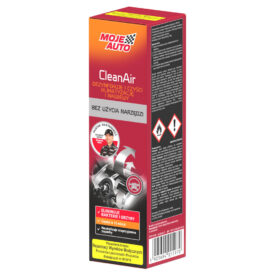
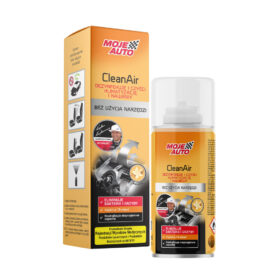
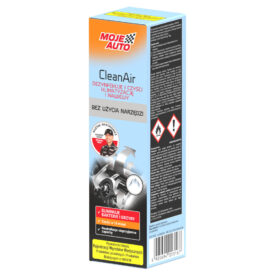
Taking care of your car air conditioning does not require a visit to a professional workshop every time, a product that will allow you to clean the air conditioning yourself is CleanAir Moje Auto brand, the so-called air conditioning grenade that will clean your air conditioning in 15 minutes!
Remember that regular maintenance and cleaning the air conditioning system not only ensures its long-term operation, but also helps maintain the air quality in the car, which has a direct impact on the comfort and health of passengers.
Read also – How to remove mold from the air conditioning in your car yourself


