


Car body care - what influences the poor condition of the car body? What condition...

How to use silicone for car seals? Why is it worth using such silicone?
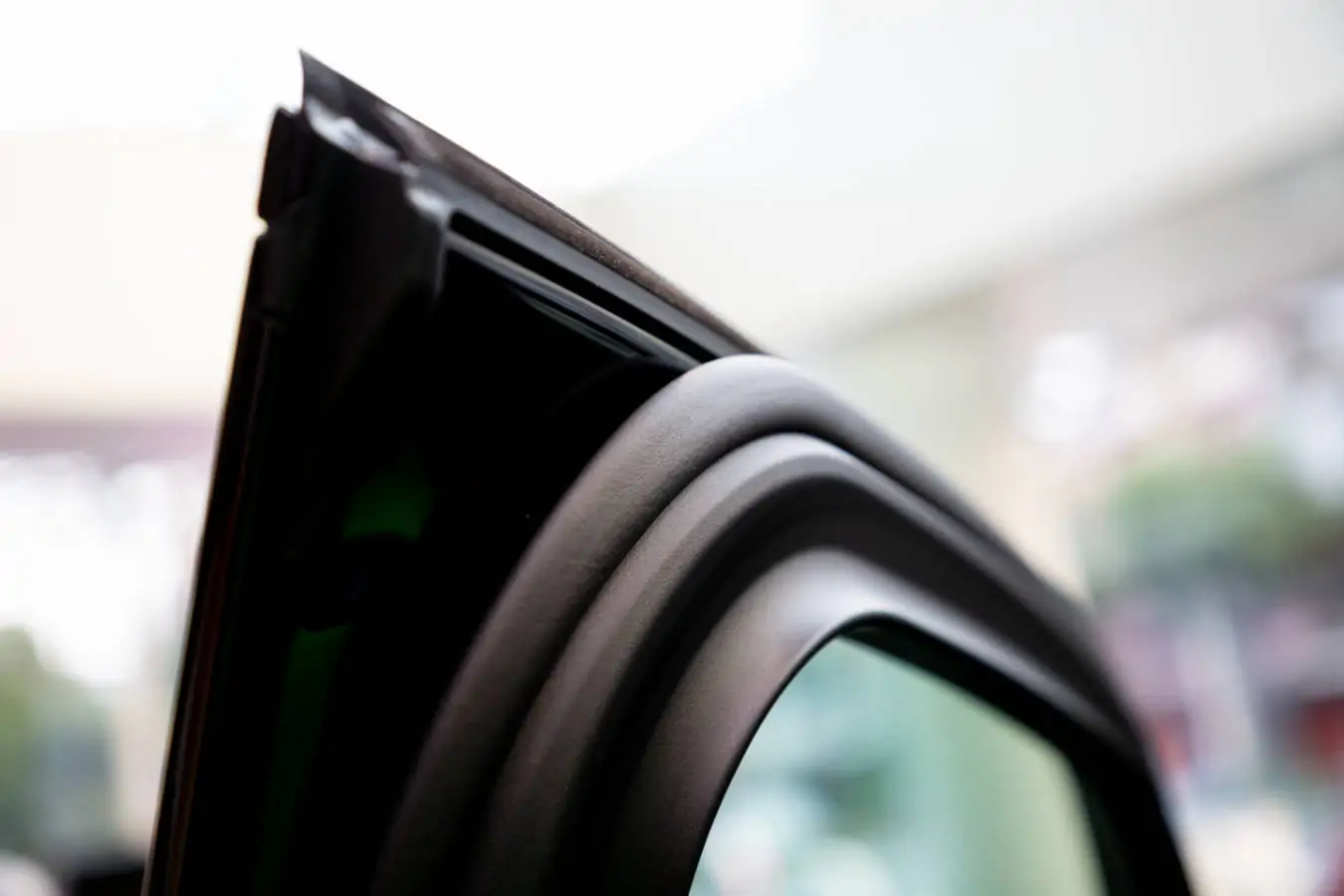
How to use silicone for car seals? Why is it worth using such silicone?

Contrary to appearances, car seals are an important component of the bodywork. Unfortunately, most drivers only remember about them when they are damaged. Meanwhile, to extend their life, just use silicone for car seals.
Silicone for car seals – what are its main functions?
Every car has at least a dozen or so meters of rubber seals. They protect the car cabin against moisture, but also against dust and noise. Additionally, they provide thermal insulation for the cockpit and silence the doors when they are closed.
However, with age, rubber loses its color, crumbles and cracks. Rubber seals are negatively affected by oxygen, light, ozone and extreme temperatures. In addition, there are mechanical damages.
Silicone for gaskets extends their service life. It gives the rubber an intense black color. Above all, it lubricates, protects, preserves and restores the elasticity of seals. In winter, it protects the rubber against oxidation and freezing, and also prevents the windows from sticking. In turn, in summer it protects rubber seals against drying out and cracking.
The use of such silicone for seals is an important element preparing your car for winter, which will make it easier to get into the car during the cold months.
When is it worth buying silicone for car seals?
Silicone should be applied to seals regularly throughout the year, especially before and during the winter season. Unfortunately, many drivers remember about them only after they have been damaged. If silicone is applied to car seals regularly, we can extend their life and avoid unnecessary problems.
This especially applies to seals exposed to degradation due to contact with low temperatures (e.g. trunk, door, sunroof seals). The use of silicone makes the rubber resistant to low temperatures and temperature fluctuations.
Sometimes, silicone for sealing car seals is replaced with glycerin, cosmetic Vaseline, wax or grease for car seals. However, substitute remedies are a bad alternative. Rubber does not absorb them, and greased seals stain passengers' clothes.
Silicone Sealant does not leave a greasy film and does not stain clothes. It is also a universal product. Therefore, silicone for car window seals can be used for doors, electric roof or trunk.
What can silicone for gaskets prevent?
Car seals mainly protect the vehicle cabin against water ingress. If this happens, electrical and electronic devices are at risk of damage. In addition, the elements that are part of the body protect the interior against dust and noise, provide thermal insulation and silence the door when closing.
In winter, worn seals tend to freeze, e.g. after washing the car at low temperatures. Their maintenance allows the rubber to remain flexible and elastic, which prevents the door from freezing.
However, the seals also protect important mechanical and electrical components that are sensitive to water and low temperatures (e.g. gear lever, pedals). Normal use of these mechanisms deforms the seals. If they are faded and lack elasticity, they do not return to their original state and do not properly protect key components.

Collusive problems – silicone for gaskets
Will silicone for seals help with winter seal problems?
Wondering, how to prepare your car for winter, most drivers remember about window and lock defrosters. There is always a scraper and a snowbrush in the car. However, silicone for seals should also be a must-have cosmetic at this time of year.
Especially in winter, when the weather can be capricious and there are large temperature fluctuations, doors and windows tend to freeze. If you finally manage to open even frozen doors, the forceful jerks tear the door handles or seals from the body. Dangling, torn rubber effectively blocks the door, making it difficult to close.
The applied silicone renews and refreshes the seals, restoring them to the properties of a new product. The rubber becomes soft, flexible and resistant to low temperatures again.
Especially in autumn and winter, we notice an increased level of moisture in the cabin. This is normal and is one of the reasons why we replace fabric mats with rubber ones in the fall. Moisture in the cabin manifests itself through fogging windows and an unpleasant smell. One of the causes of interior moisture are worn out seals.
In what form are silicones for gaskets found?
Silicone is the most commonly used agent. Due to the low price (e.g Silicone My Car available at a price starting from PLN 6) and easy to spread, the most popular is silicone spray for seals (e.g. with a capacity of 200 or 400 ml). Just spray this agent from a short distance onto the car's seals. Another form is silicone grease stick.
A spray preparation is also the best choice if the seal has already been damaged. Silicone with sealant allows you to fill all the gaps. Of course, you must remember that this is a short-term solution. A damaged seal should always be replaced with a new one as soon as possible.
How should you use silicone for car seals?
Regardless of the preparation used, silicone for car seals should be used in accordance with the manufacturer's instructions. Instructional videos like the one below also help:
Before applying the agent, carefully inspect all seals and clean them from sand and dirt with a wet cloth. Then wipe the seals dry and leave them to dry.
If it is a silicone spray, shake the container before use, apply it to the seal and wipe it with a cloth. Another way is to spray silicone on a cloth and wipe the seals with it. Silicone sticks, on the other hand, have a form similar to glue. In this case, slide the silicone out of the tube and lubricate the seals with it.
Silicone is therefore a cheap and effective cosmetic that extends the life of seals and restores their original properties. Regular maintenance of seals with silicone helps to avoid unpleasant problems. If we use silicone, in winter we will prevent seals from freezing, in the summer we protect them against drying and cracking.

