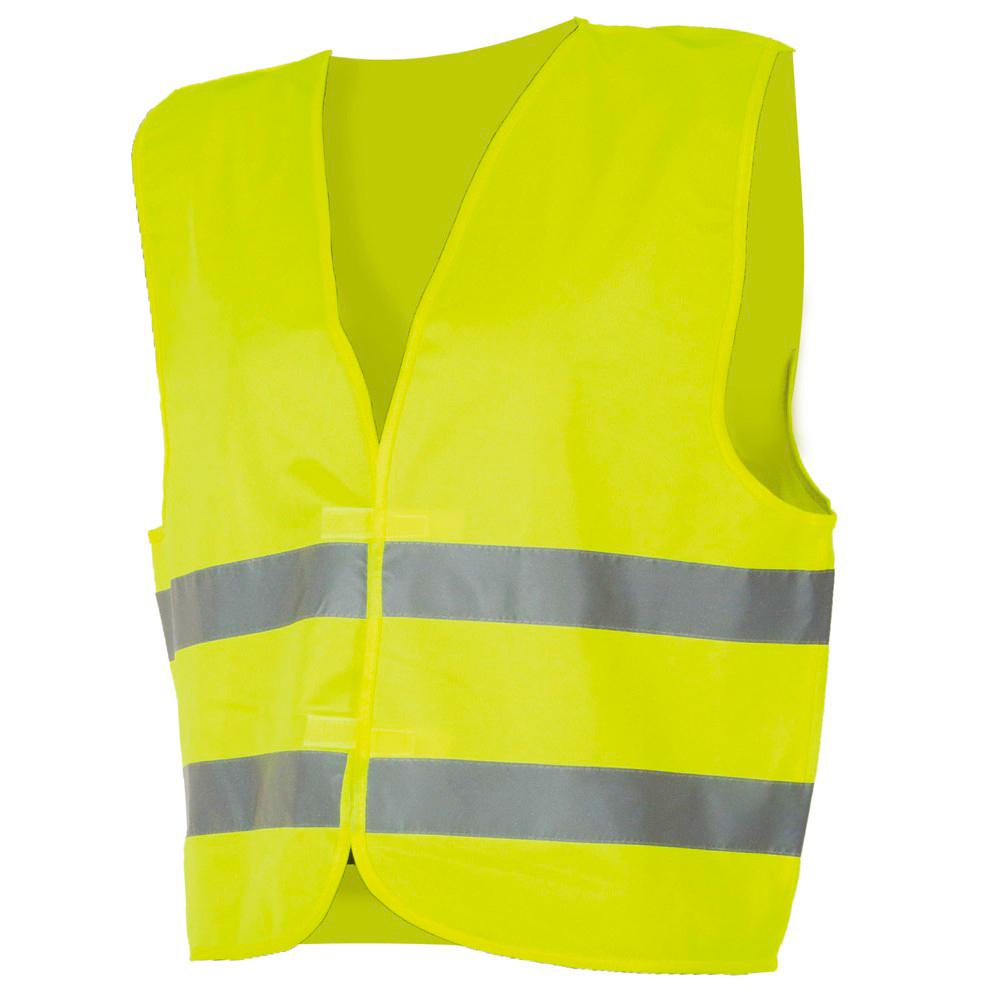

Securing the site of a breakdown on the road An element that will undoubtedly be useful during any breakdown on the road…

First aid on the road

(photo Moje Auto)

The previous entry about a car breakdown can be considered insignificant compared to a situation in which help is needed to save a person's health and life. Let us remember that even as a witness of an accident, we have a legal obligation to provide help to the injured. In practice, it is enough to call the emergency number 112, but it is worth knowing or consolidating a few basic rules.
How to offer help when we are involved in or witness a road accident
First, let's refer to the Road Traffic Act, which describes our conduct. First of all, we should stop the vehicle in a safe place or remove the vehicles involved from the road, unless there are any injured or killed people. Only now can we assess the damage and determine with other people the cause and those responsible for the incident, which should also be confirmed with an appropriate statement. Therefore, it is worth having a template ready to fill out in your car, preferably in two copies. It must include personal details of all drivers, vehicles and insurance policies.
How to define such an event?
In practice, such an event is classified as a collision or, colloquially, an accident, for which there is no need to call the police. Of course, it depends on the will of all participants, if someone decides to submit such a report, we unconditionally have to wait. Let's call the police ourselves if we can't reach an agreement. The second participant does not have any documents with him or we suspect that he is under the influence of alcohol or other intoxicants. And also when one of the participants is a pedestrian or cyclist (he could have damaged our car without being injured).
Does the Act offer help?
The next point of the Road Traffic Act regulates our conduct in an incident in which a person is injured or killed. And so - here we are talking about a road accident - we must provide first aid to the injured and call the emergency services. By dialing the telephone number 997 we will reach the police, 998 the fire brigade (statistically they are the quickest on the spot), and 999 the emergency services. As a rule, it is enough to call one of these operators to obtain help from each of the services, but it is much more convenient to immediately use the emergency number 112.
When reporting, we briefly provide our personal data, the place of the incident (e.g. the number of a road bollard, but today a call from a mobile phone allows us to locate the caller with great approximation), the number and condition of the injured people who need help, as well as the vehicles involved in the accident. accident and actions taken.
Regardless of the classification of the event, let us remember as much as we can assume reflective vest, turn on the hazard warning lights and place the warning triangle at a safe distance.
Technology that saves lives and offers help
I realize that all this is easily described while sitting in front of a computer screen. In reality, many variable elements overlap, for example the loss of consciousness of all participants in an accident in which there are no bystanders. Unfortunately, such a situation of "standstill" creates the risk of delaying help, which may have tragic consequences. Automotive companies and institutions responsible for road safety have been working on solving this problem for a long time. The result is an automatic system for notifying emergency services about an accident, the so-called eCall. It has already been introduced to some car models, and from April 1 this year it became a mandatory element of equipment. But only those newly homologated after this date, so you have to wait a dozen or so years for its popularization.
How to provide first aid?
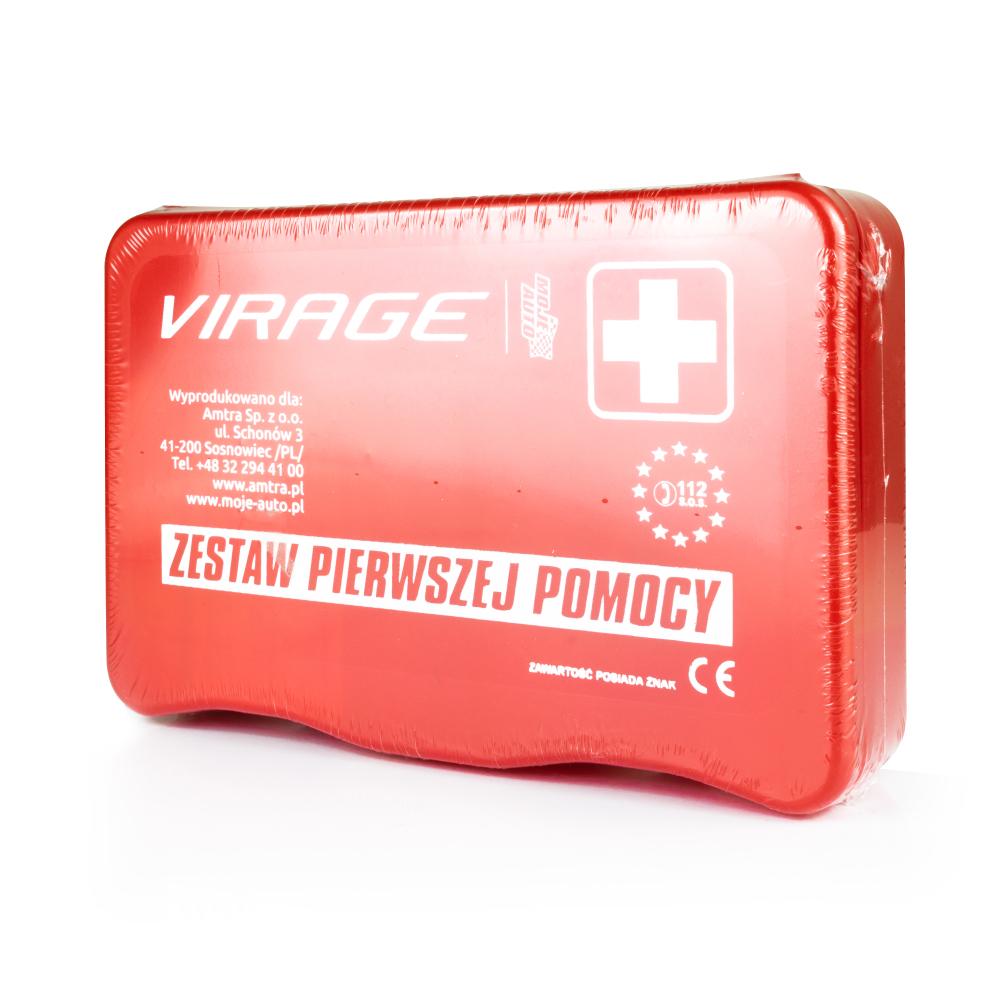
Currently, an "emergency first aid kit" is mandatory equipment in trucks, buses, taxis and cars intended for driving lessons. So we don't have to carry it in passenger cars - although there have been recent attempts to change this law. Regardless, I think it's worth having! The only question is which of those offered on the market should you choose?

(photo: My Car)
Let's definitely not skimp on this! The more elements it contains - hopefully you don't have to use them - the better. My medicine cabinet says this first aid kit compliant with DIN 13164. This means strict adjustment of the so-called contribution to established (here European) standards. In this case, these are several types of dressings and bands, a set of plasters and compresses, scarves, scissors, disposable gloves, a foil emergency blanket and, above all, first aid instructions!
The basics are worth their weight in gold
Well, who among us remembers the basic principles of resuscitation, i.e. artificial respiration? About placing the injured person on a flat surface, 30 sternal compressions and 2 mouth-to-mouth breaths? What to do in the event of a fracture or heart attack? And how to properly and effectively provide such help when you are nervous and stressed yourself? That's why the first aid cheat sheet attached to the first aid kit is so important. It is just a small sheet of paper with a few points, the knowledge of which can save your health or life. Therefore, before we put the first aid kit in the car, let's read it carefully!

(photo: My Car)
Two important issues
Let me make two more comments. Listed emergency blanket I'm sure each of you knows it well. Do you know why the foil is two-colored? The silver side is used to warm the body, the gold side is used to cool the body. It is also worth remembering this rule, because such a blanket can be used in many "real life" situations not related to a road accident.
The second note concerns the expiration dates of dressing materials in the car first aid kit. In mine it is included in the list of package contents. It shows that for the production year 2018 it will fall only in 2023. It's five years that will fly by who knows when. So please check the first aid kits in your cars.
The form of the first aid kit itself is also important; instead of a hard plastic box, I prefer a soft package with a practical Velcro fastener. It allows you to attach it to the carpet, for example on the wheel arches of a car trunk.
When writing about road emergencies and first aid, one more thing automatically comes to mind - a car fire extinguisher. This is an important element, around which many myths have arisen, and sometimes it is an invaluable help, so I will devote a separate blog entry to it.


