Duplicating and coding a key - from the article you will learn: What a car key looks like and…

Replacing brake pads – how often should it be done and how much does it cost?

Replacing the brake pads

The efficiency of individual brake system components is crucial for driving safety. Brake pads are consumable parts that naturally wear out and require regular replacement. Brake pad replacement depends mainly on driving style and vehicle use. In this article, you will learn when to replace brake pads, how to replace brake pads yourself, and how much it costs to replace pads both in a workshop and during self-replacement. Experts from renowned companies such as TRW and ZF Aftermarket emphasize that regular inspection and replacement of brake pads is a key element of safety.
- When to replace brake pads – what to look for when replacing them?
- Brake pad replacement frequency – how often should you replace your brake pads?
- How to change brake pads - pad replacement steps
- What you will need for replacement – brake pad replacement tools
- Step by step brake pad replacement
- How much does it cost to replace brake pads - brake pad prices and labor
- Brake pads price
- Brake Pad Replacement - Labor Cost
- Front and rear brake pads and discs – how is the braking system constructed?
- Brake Pad Adjustment – What to Do After Replacement?
When to replace brake pads – what to look for when replacing them?
Brake pads send clear signals that they need to be replaced. Recognizing these symptoms will help you avoid dangerous situations on the road and costly repairs. Here are the most important signs of worn brake pads:
- Characteristic squeak when braking – most brake pads are equipped with special warning plates that make a characteristic sound when braking. This is a signal that it is time to replace the pads.
- Vibration when braking – if you feel vibrations in the brake pedal or steering wheel when braking, this may indicate uneven wear of the brake pads or discs.
- Extended braking distance – If you notice that your car needs more time and distance to stop, this is a clear sign that the condition of the brake system needs to be checked.
- Brake light – in newer car models, a light may appear on the dashboard informing about brake pad wear.
- Visible wear of the friction material of the brake pads – you can regularly check the thickness of the brake linings. The limit for the lining thickness is 1,5 mm. Below this value, it is necessary to replace the brake pads.
Brake pad replacement frequency – how often should you replace your brake pads?
Brake pad life depends on many factors, such as driving style, road conditions, and the quality of the pads themselves. Here are some general guidelines for when to replace your brake pads:
- Relaxed city driving: brake pad replacement every 30-50 thousand km
- Dynamic city driving: replacement every 10-20 thousand km
- Relaxed trail riding: replacement after driving about 50-80 thousand km
- Dynamic trail riding: replacement after a maximum of 50 km
Remember that front and rear brake pads can wear out at different rates. As a rule, front brake pads wear out faster because most of the vehicle's weight is transferred to the front axle during braking. That's why it's worth checking the condition of the pads on both the front and rear axles regularly.
How to change brake pads - pad replacement steps
Replacing your brake pads yourself is possible if you have basic mechanical skills and the right tools. Here is a step-by-step procedure for replacing your brake pads:
What you will need for replacement – brake pad replacement tools
Before you start replacing your brake pads, prepare:
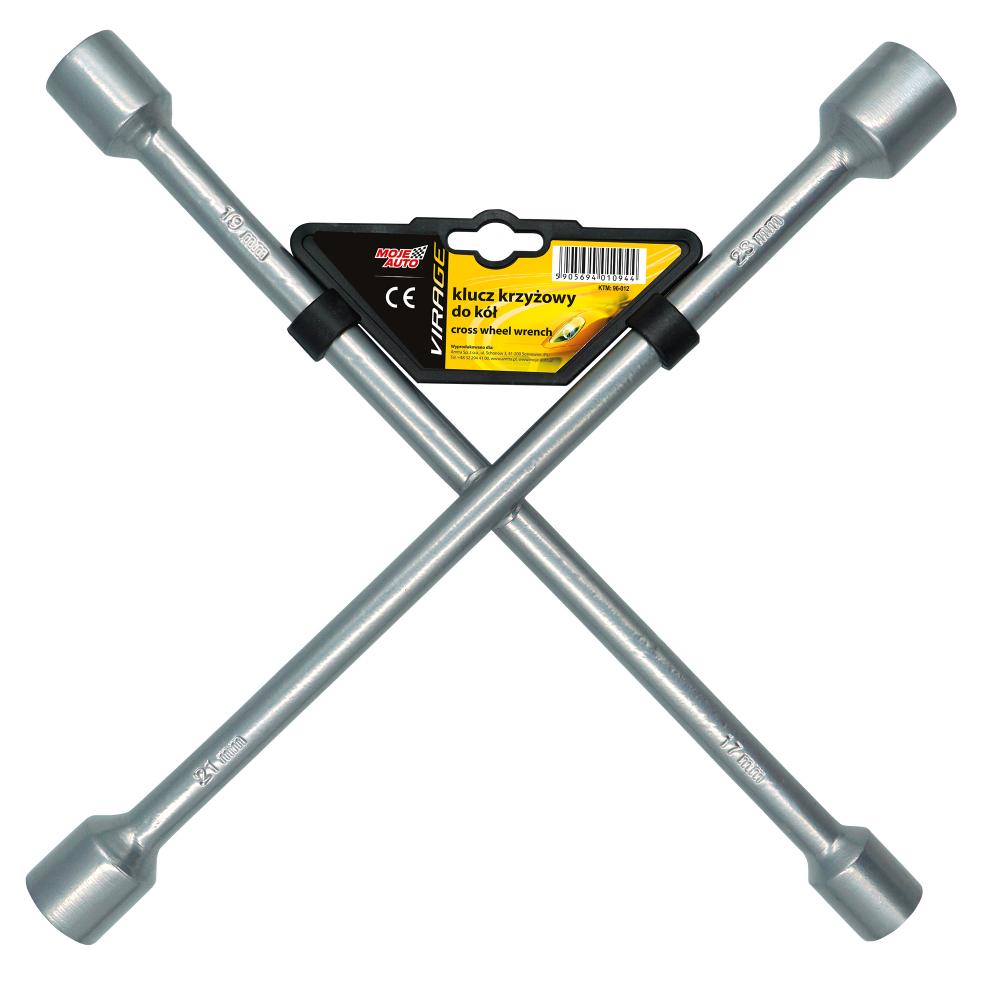
- Set of flat and socket wrenches
- Car lift
- Wire brush
- Piston puller (if needed)
- Copper or ceramic grease
- Penetrating preparation
- Brake bleeding wrench (optional)

New brake pads
Step by step brake pad replacement
- Vehicle preparation:
- Park the car on a flat, hard surface
- Loosen the wheel bolts before lifting the car
- Raise the car with a jack and secure it
- Remove the wheel
- Dismantling the old blocks:
- Locate brake caliper and unscrew the mounting screws
- Press the brake caliper piston inwards (you can use a special tool or a large carpenter's clamp)
- Remove the pins or springs securing the pads
- Remove the old brake pads
- Preparation for installation of new pads:
- Check the condition of your brake discs - if they are too thin or uneven, consider replacing your brake discs as well
- Clean the brake pad guides with a wire brush
- Lubricate the guides with copper or ceramic grease
- Check the condition of the brake caliper and make sure the piston moves freely.
- Installing new pads:
- Place the new brake pads into the caliper, making sure they are positioned correctly
- Install the safety pins or springs
- Install the brake caliper onto the disc
- Tighten the clamp mounting screws to the appropriate torque
- Completion of work:
- Install the wheel and tighten the bolts
- Leave the car
- Tighten the wheel bolts to the proper torque
- Check the brake fluid level and top up if necessary
- Perform a brake test
Remember to always replace brake pads in pairs (on the same axle). After replacing the brake pads on the front axle, it is worth checking the condition of the rear brake pads as well.
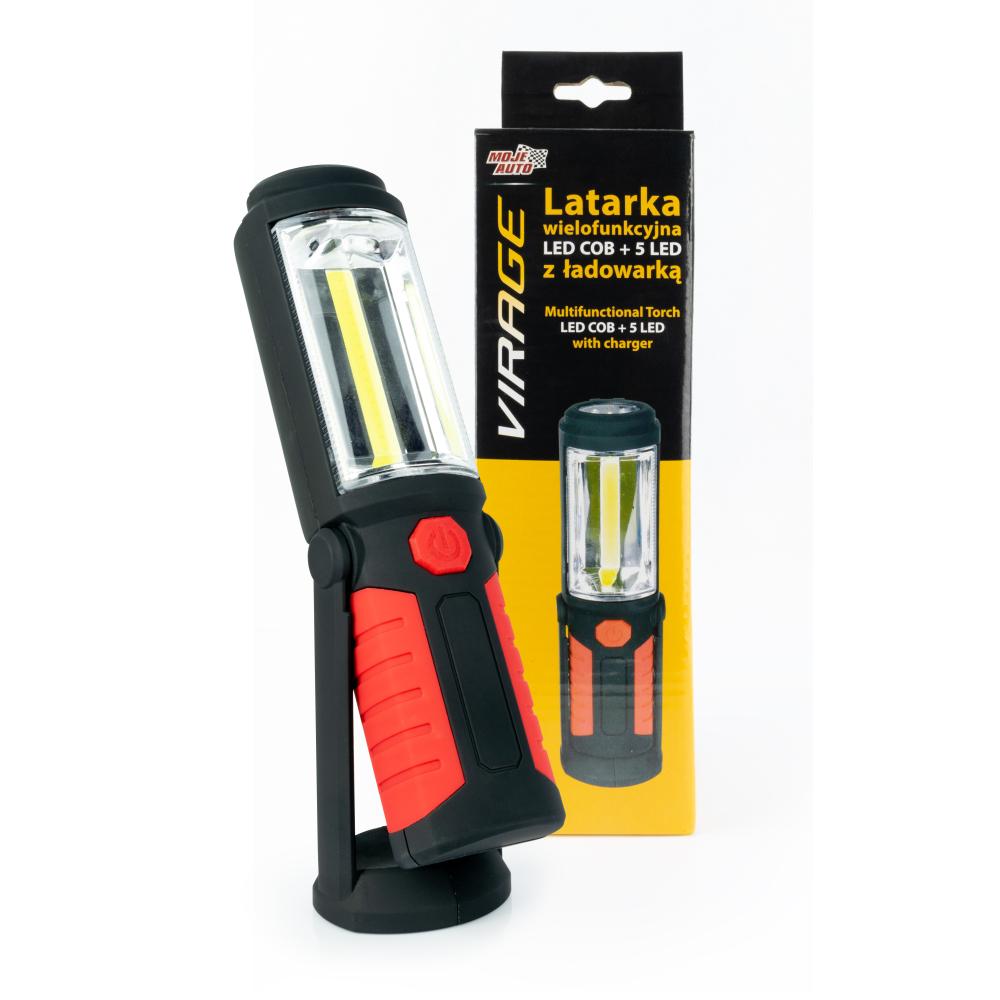
Moje Auto Virage VIRAGE - COB + 5 LED multifunctional LED flashlight with charger
Where to buy View productHow much does it cost to replace brake pads - brake pad prices and labor
The cost of replacing brake pads consists of the price of the parts themselves and the cost of labor if you decide to have the service done at a workshop.
Brake pads price
- Standard brake pads for mid-range cars: around PLN 80-100 for a set for one axle
- Non-branded substitutes: 40-50 PLN per set
- Branded brake pads high quality: 120-200 PLN per set
- Ceramic blocks for premium cars: PLN 200-400 per set
Brake Pad Replacement - Labor Cost
Depending on the workshop and car model, the cost of replacing brake pads by a mechanic is around PLN 60-80 for one axle. The total cost of replacing pads (parts + labor) can range from PLN 140 to even PLN 500 for one axle, depending on the quality of the parts used.
See also: Brake fluid – why and how often should it be replaced?
Front and rear brake pads and discs – how is the braking system constructed?
Brake discs, like pads, are subject to wear, although we usually replace them 2-3 times less often than pads. When replacing brake pads, it is worth checking the condition of the brake discs as well. Here are the situations in which you should consider replacing the discs.
Replacing brake discs:
- Visible grooves, cracks or corrosion on the disc surface
- Uneven disc surface causing vibrations when braking
- Disc thickness less than the minimum recommended by the manufacturer (usually marked on the disc flange)
- After driving about 60-100 thousand km (depending on driving style)
The cost of brake discs is higher than that of pads – for a set for one axle you have to pay from PLN 150 for rear brake discs to even PLN 500 for original front brake discs for higher class cars.
Brake Pad Adjustment – What to Do After Replacement?
New brake pads and brake discs need time to break in. For the first 100-200 km after replacement:
- Avoid sudden braking
- Do not keep the brake pedal pressed continuously after stopping the vehicle as this may damage the brake pad set.
- Avoid prolonged braking, which can cause new pads to overheat.
- Please note that the brake pedal may feel different than before the replacement – this is normal.
See also: Deironizer? – why is it worth using the so-called bleeding rim?
FAQ
How often should you change your brake pads?
Depending on driving style, brake pads should be replaced every 10-80 thousand km. With calm city driving, brake pads should be replaced every 30-50 thousand km.
Can only one set of brake pads be replaced?
Always replace pads in pairs (on the same axle). Replacing just one set of pads on one wheel can lead to uneven braking.
What are the signs of wear on the brake pads?
The main symptoms of brake pad wear are: squeaking when braking, vibrations, extended braking distance, and the brake warning light on the dashboard coming on.
Is it necessary to bleed the system after replacing the brake pads?
When replacing brake pads normally without opening the hydraulic system, bleeding is not necessary. However, if the system has become leaky during replacement, adjustment of the brake pads by bleeding will be necessary.
What is the minimum thickness of brake pads?
The minimum thickness of the friction material of the brake pads is 1,5-2 mm, depending on the vehicle manufacturer and model.
How to replace brake pads on a bike?
Replacing brake pads on a bike is different from replacing them on a car. Most often, you just need to unscrew the mounting bolt, remove the worn pads, and install new ones. In the case of disc brakes, the process is more complicated and may require special tools.
Do TRW and ZF Aftermarket offer good brake pads?
Yes, both TRW and ZF Aftermarket are renowned brake parts manufacturers who offer high-quality brake pads that meet strict safety standards.