

At low temperatures, diesel fuel thickens, making it difficult to start a diesel engine. A diesel depressant prevents…

How to bleed air from a cooling system?

Car cooling system

A clogged cooling system is a common problem that can lead to serious consequences for your vehicle's engine. Properly bleeding the system is crucial to maintaining optimal engine operating temperature and preventing it from overheating. In the following article, you will find a comprehensive guide on how to effectively deal with a clogged cooling system and how to prevent this problem in the future. Bleeding the cooling system is a procedure that, with a little knowledge, you can do yourself, saving time and money on a trip to the garage.
From the article you will learn:
- Why is bleeding the cooling system important?
- How does the cooling system work and why can it get air-locked?
- Symptoms of air in the cooling system – how to recognize them?
- How to prepare for bleeding the cooling system?
- Air-logged cooling system – how to effectively bleed it?
- Common Cooling System Bleeding Mistakes and How to Avoid Them
- How to prevent air from entering the cooling system in the future?
See also the article: How to take care of the radiator in the car? How to add coolant to the radiator yourself?
A properly functioning cooling system is one of the key elements that affect the efficiency and life of an engine. Air trapped in the system can lead to serious overheating problems and, consequently, costly breakdowns. In this article, you will learn how to effectively recognize and remove air from the cooling system, what tools to use, and how to prevent this problem in the future.
From this article you will learn: why air in the cooling system is dangerous for the engine, how to recognize the symptoms of an air-filled system, what tools will be needed for bleeding, how to perform the bleeding process step by step, how to avoid typical mistakes when bleeding, and you will learn methods to prevent air-filling in the future.
See also the article: How to choose coolant?
Why is bleeding the cooling system important?
The cooling system is fundamental to the proper operation of the engine. Its main task is to maintain the optimum operating temperature of the drive unit by removing excess heat. When air appears in the system, it creates so-called air pockets, which block the flow of coolant and significantly reduce the efficiency of the entire system.
An air-locked cooling system is a sure-fire way to cause the engine to overheat, which can lead to damage to the cylinder head gasket, distortion of the engine head, cracking of the engine block, or premature wear of components.
Regular bleeding of the cooling system is therefore crucial to ensuring long and trouble-free engine operation, especially after changing the coolant, repairing the system or replacing components such as the water pump or radiator.
How does the cooling system work and why can it get air-locked?
The cooling system in a car consists of several key components: the radiator, water pump, thermostat, expansion tank and the piping system. Coolant circulates in this closed system, taking heat from the engine and releasing it to the environment through the radiator.
Air may enter the cooling system due to incorrectly performed coolant replacement, leaks in the system (broken pipes, damaged head gasket), too low coolant level, water pump failure, clogged vent in the expansion tank cap or replacement of cooling system components without proper bleeding.
Modern engines with more complex cooling systems are particularly susceptible to air locks, where air can accumulate in hard-to-reach places.

Cooling system
Symptoms of air in the cooling system – how to recognize them?
Recognizing a cooling system airlock problem is the first step to solving it. Early diagnosis can save you from costly repairs.
The most common symptoms of an air-locked cooling system include fluctuating engine temperature readings on the dashboard, engine overheating (especially when driving in the city or in traffic jams), uneven operation of the warm air blower, unusual noises (gurgling or humming coming from the radiator or expansion tank area), a drop in the coolant level in the expansion tank and, in extreme cases, white smoke from the exhaust system.
If you notice several of the above symptoms, you most likely have air in the cooling system and should bleed it as soon as possible.
How to prepare for bleeding the cooling system?
Before you start bleeding your cooling system, you need to prepare yourself. The right tools and safety precautions will make the whole process much easier.
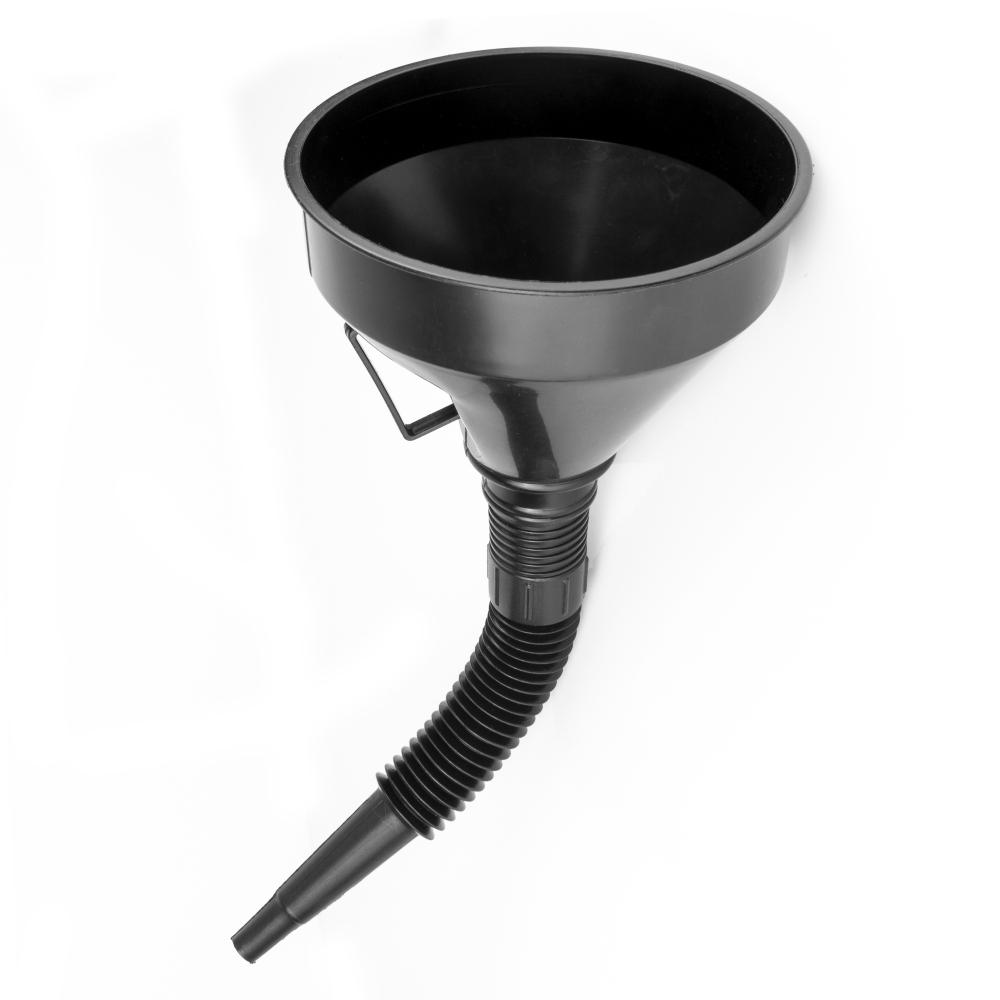
Required tools and materials is the appropriate coolant (in accordance with the manufacturer's recommendations), funnel for bleeding cooling system or a standard funnel, protective gloves and goggles, a container for the used fluid, tools for unscrewing the drain plugs and possibly a specialized device for bleeding the cooling system.
Remember the safety precautions: make sure the engine is completely cool, protect the area from possible spillage of coolant (it is toxic), work in a well-ventilated area and always wear protective gloves and goggles.
Remember that coolant is harmful to health and the environment - it must be collected and disposed of in accordance with local regulations.
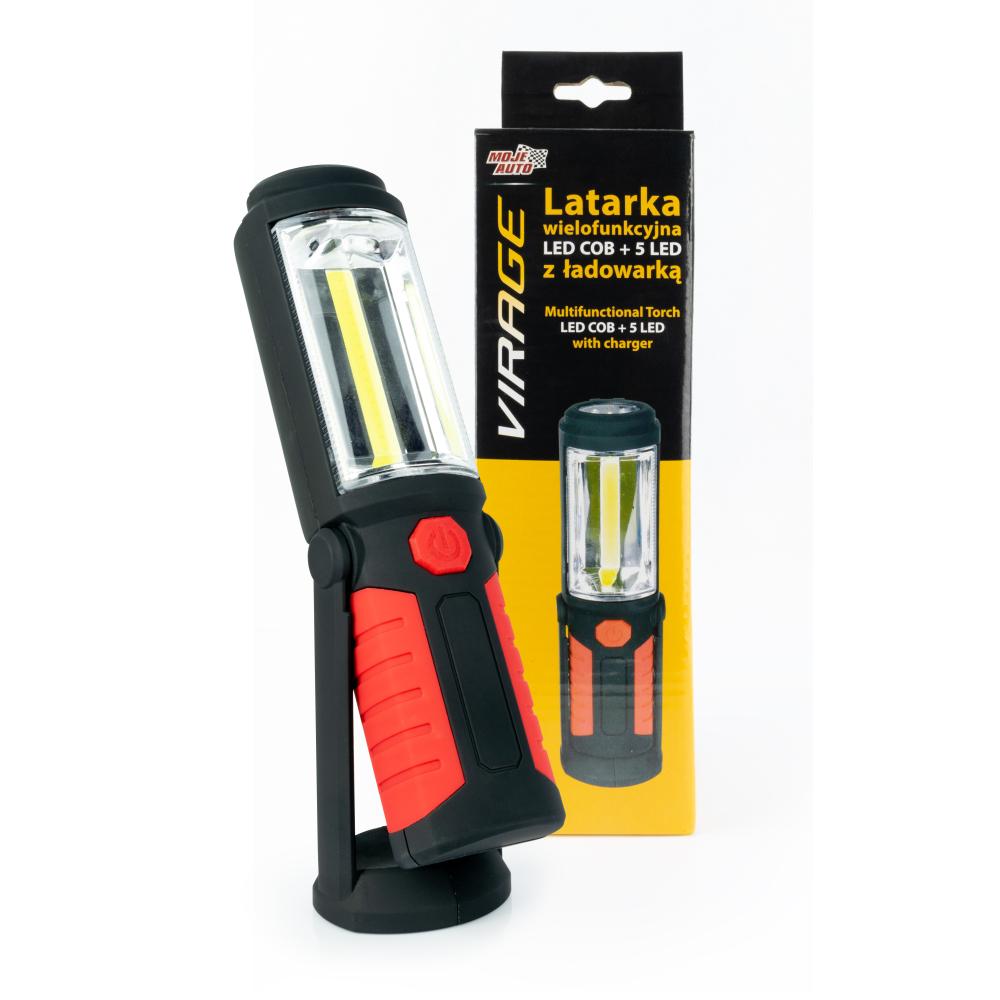
Moje Auto Virage VIRAGE - COB + 5 LED multifunctional LED flashlight with charger
Where to buy View productAir-logged cooling system – how to effectively bleed it?
The process of bleeding the cooling system may vary depending on the car model, but the basic principles remain similar. Below is a universal method that can be adapted to a specific vehicle.
- Step 1: Preparing the vehicle Make sure the engine is completely cool. Park the car on a level surface. Check the coolant level in the reservoir – if it is too low, top it up.
- Step 2: Locate the bleed screws Many cars have special bleed screws on the engine block, cylinder head or cooling system lines. Locate them using your vehicle's owner's manual. Some cars bleed only through the radiator cap or reservoir.
- Step 3: Using a specialized funnel The ideal solution is to use funnel for bleeding cooling system. Place it in the radiator filler neck or reservoir. This type of funnel has a special design that prevents air from entering the system when topping up the fluid.
- Step 4: Venting Carefully unscrew the bleed screws (if equipped) and wait until the fluid flows out without any bubbles. Then screw them back on. If you are using a specialist funnel, fill it with coolant to the marked level.
- Step 5: Start the engine Start the engine and let it idle. Monitor the fluid level in the funnel – it will drop as the system draws fluid. Add fluid as needed, keeping the level above the funnel opening.
- Step 6: Turn on the heating Turn the heat on to maximum and the blower speed to medium. This will help circulate the fluid through the heater core, which is often a place where air collects.
- Step 7: Engine duty cycle Run the engine until it reaches normal operating temperature and the thermostat opens (you may notice this when the upper radiator hose gets hot). During this time, gently rev the engine several times to about 2000-3000 RPM to help circulate the fluid and push out any remaining air.
- Step 8: Check the fluid level Once the engine has completely cooled down, check the coolant level again and top up if necessary.
When used a specialized device for bleeding the cooling system this process becomes much simpler. Such a device creates a vacuum in the system, which removes air, and then sucks in coolant, filling all the spaces.
Common Cooling System Bleeding Mistakes and How to Avoid Them
Bleeding your cooling system, while simple in theory, can have its pitfalls. Here are the most common mistakes and how to avoid them:
- Hot engine bleeding – this is a serious hazard! The coolant in the cooling system is under pressure and when you open the cap of a hot radiator it can shoot out violently, causing burns. Always wait until the engine has completely cooled down.
- Failure to take into account the specifics of the vehicle – Different car models have different bleeding procedures. Some require special bleeding screws, others do not. Always check your vehicle's owner's manual.
- Inaccurate venting – A common mistake is to bleed the air too quickly. Air can be trapped in various parts of the system and it takes time to completely remove it. Be patient and thorough.
- Using the wrong coolant – Always use the fluid recommended by the car manufacturer. Mixing different types of fluids can lead to problems with the cooling system.
Ignoring the leaks – If the coolant level is constantly dropping, this may indicate a leak in the system. Bleeding the air will not solve this problem – repair is necessary.
How to prevent air from entering the cooling system in the future?
Prevention is always better than cure – and that rule also applies to the cooling system. Here are some tips to avoid future air lock problems:
- Regularly check the coolant level – Check the fluid level at least once a month. A sudden drop in level may indicate a leak that is allowing air into the system.
- Correct coolant replacement – When changing the fluid, always use the appropriate procedure, including bleeding the system. Use funnel for bleeding cooling system will make this process much easier.
- Immediate response to disturbing symptoms – if you notice any signs of problems with the cooling system (temperature increase, fluid level drop), react immediately.
- Avoiding adding cold fluid to a hot engine – this may lead to thermal shock and damage to cooling system components.
- Use of high-quality components – when replacing cooling system components (hoses, thermostat, water pump), always choose good quality parts, preferably those recommended by the vehicle manufacturer.
- Regular servicing – The cooling system should be checked during routine maintenance. Replacing the coolant according to the manufacturer’s recommendations (usually every 2-5 years) will help keep the system in good condition.
- Use of specialized tools - investment in device for bleeding the cooling system can be cost-effective, especially if you frequently work on your cooling system.
Bleeding the cooling system is an important service procedure that you can do yourself, saving you time and money. Properly performed bleeding will ensure the cooling system operates efficiently, which translates into optimal engine operating temperature and longer engine life.
Remember that in the case of more serious cooling system problems, such as the engine constantly overheating despite bleeding, it is worth consulting a professional mechanic. Some faults may require specialist diagnosis and repair.
Also check: A leaking radiator is not a problem and How to take care of the radiator in your car.
Summary
Bleeding the cooling system is a key service procedure for keeping your engine running properly. An air-locked cooling system causes the engine to overheat, which can result in serious and costly breakdowns.
The main symptoms of an air-filled system are temperature fluctuations, engine overheating, uneven air flow and characteristic gurgling. Proper bleeding requires appropriate tools, including a specialist funnel for bleeding cooling system and/ or air bleeding device.
The bleeding process should be carried out on a cold engine, observing safety precautions. After locating the bleeding screws (if any), systematically remove air from the system while topping up the coolant. The key steps are starting the engine to operating temperature and turning on the heater, which helps circulate the fluid through all the system components.
To prevent future problems, it is worth regularly checking the coolant level, replacing it correctly, and immediately reacting to disturbing symptoms. Using specialist tools and high-quality components significantly facilitates the bleeding process and prevents recurring problems.
Properly performed bleeding ensures optimal engine operating temperature, thus extending its service life and preventing costly breakdowns.
FAQ
What are the symptoms of an air-clogged cooling system?
The most common symptoms include: engine temperature fluctuations, engine overheating (especially in traffic jams), uneven air flow, gurgling of coolant around the radiator, a drop in coolant level and – in extreme cases – white smoke from the exhaust.
Why is bleeding the cooling system so important?
Air in the system creates blocking "plugs" that disrupt the circulation of the coolant. This leads to engine overheating and, consequently, to dangerous and expensive failures, such as damage to the head gasket or a cracked engine block.
How to prevent air from entering the cooling system?
Check your coolant level regularly, follow the correct procedure when changing it, respond to temperature warnings, and use high-quality components and tools such as a funnel or bleeding tool.


