

Car window polishing is a procedure performed to restore glass surfaces to their original…

Polishing plastic – what to use and how to do it properly?


Properly selected plastic polishing techniques will allow you to restore the original shine of the cockpit, bumpers and other car elements. But how to do it so that the final effect is satisfactory? How to protect the surface so that it lasts for a long time? You will learn this from our new guide.
In this article we explain:
- Polishing plastic – when is it worth doing?
- What types of plastic can be polished?
- The most common damages to plastic surfaces and how to remove them
- How to Polish Plastic? Review of the Best Methods and Means
- Polishing plastic step by step – a practical guide
- The Most Common Mistakes When Polishing Plastic and How to Avoid Them
- How to protect polished plastic to make the effect last longer?
For more tips on keeping your cockpit in good condition, check out our other article: How to take care of your car's cockpit?.
Polishing plastic – when is it worth doing?
It is worth deciding to polish plastic when it has scratches, dullness or minor damage. Thanks to this type of technique, you can also improve the appearance of elements that have lost their shine due to intensive use or exposure to sunlight. Polishing plastic is not as difficult as it may seem - all you need to do is remember our tips.
Polishing plastics is a good idea to make part of your overall car cleaning routine. Spring is just around the corner and is the perfect time to do this. You can read more about it on our blog: Spring Car Cleaning.
What types of plastic can be polished?
Most types of plastic used in cars can be polished. These include both matte and mirror plastics. The former only require smoothing the surface to regain its original appearance. The matter is a bit more complicated in the case of mirror plastics (piano black). These scratch much more easily than their matte counterparts, but with special agents and the right techniques, polishing piano black plastic is also possible.
Of course, it is also possible to polish the headlight lenses and other transparent elements. Over time, they can become dull, which adversely affects not only the aesthetics of the car, but also its visibility on the road. By polishing, you can restore their clarity and take care of the attractive appearance of the vehicle.
The most common damages to plastic surfaces and how to remove them
Plastic damage can take various forms. The most common are scratches and scuffs. They can be removed with a polisher, appropriate polishing pastes or gel preparations. Matting can occur as a result of sunlight or long-term and intensive use. To remove it, polishing with appropriate polishing pastes is enough. Fading is particularly common in elements exposed to the sun. They are usually the result of plastic oxidation. They can be prevented by using preparations with UV filters.
How to Polish Plastic? Review of the Best Methods and Means
In order for polishing plastic in a car to bring the expected results, you need to reach for the right tools and preparations. Their selection should depend on the type of plastic. You can choose from:
- osmoker: with its help you can restore the depth of color of the plastic and smooth out small scratches. This method is particularly effective in the case of matte surfaces;
- phand polishing (using a microfiber cloth and special polishes for plastic): this method of polishing plastic is recommended for e.g. mirror surfaces in the cockpit. You can read about the selection of polishing agents in this article: How to clean car plastics? The best products for car plastics;
- pmechanical polishing (using a mechanical polisher): allows for quick and effective removal of scratches and dullness. Requires some skill, but gives excellent results.
Polishing plastic step by step – a practical guide

The whole process should start with surface preparation by thoroughly cleaning the plastic from dirt, dust and grease. More about cleaning before polishing plastic you will find out from another post on our blog: How to clean and maintain your car's cockpit?
Cleaning plastic requires the use of dedicated plastic cleaning products. Our offer includes: My Car Glossy Black Cockpit i Arctic glossy cockpit. It will be useful to remove dirt from delicate surfaces. detailing brush.
Depending on the type of plastic, choose one of the methods mentioned: burning, hand polishing or mechanical polishing. The polishing itself is not difficult, but it does require patience. The polish should be applied to the surface of the plastic in small amounts. Work on small sections of the plastic, always maintaining the right pressure and ensuring evenness. After polishing, wipe the surface with a microfiber cloth to remove excess polish and dust.
The Most Common Mistakes When Polishing Plastic and How to Avoid Them
It is easy to make mistakes when polishing plastics in a car. One of the most serious mistakes is using too much pressure - this can damage the delicate surface. This is especially dangerous in the case of a mechanical polisher. It is also important to protect the surface after polishing. Without it, the effects will not last long. Also pay attention to the right choice of preparations. You should use products designed for a specific type of plastic. The wrong paste or preparation can worsen the condition of the surface.
How to protect polished plastic to make the effect last longer?
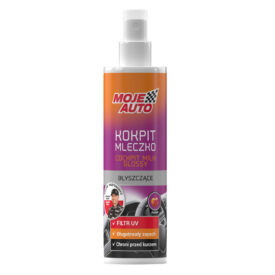
As we have already mentioned, after polishing the plastic, it is necessary to take care of its proper protection. Products from the Moje Auto Kokpit Protectant line are perfect for this purpose. The preparations are available in two versions - for matte and glossy finishes - and provide excellent protection of the surface against dirt, moisture and UV radiation. It is also worth using special cleaning preparations on a daily basis that prevent dust from settling - e.g. My Car washing milk with an apple scent vanilla-flavored agent
FAQ
When is plastic polishing necessary?
Polishing plastic is recommended when scratches, dulling or minor damages appear. With it, you can restore shine and improve the aesthetics of surfaces that have lost their appearance due to intensive use or exposure to sunlight.
What methods can be used to polish plastic?
There are several ways to polish plastic: using a heat gun, hand polishing with microfiber and polishing paste, or mechanical polishing. The choice of method depends on the type of plastic – matte surfaces respond well to tanning, while mirror and delicate surfaces require careful polishing.
How to avoid damaging plastic when polishing?
To avoid damaging the plastic, use polishing agents designed for a given type of surface and do not use excessive force – especially when mechanically polishing. It is also important to protect the plastic after polishing, e.g. with preparations with UV filters.


