
Assessment of the CEPiK system The CEPiK system basically consists of two separate record systems. Two,…

Road rules – 9 most important rules
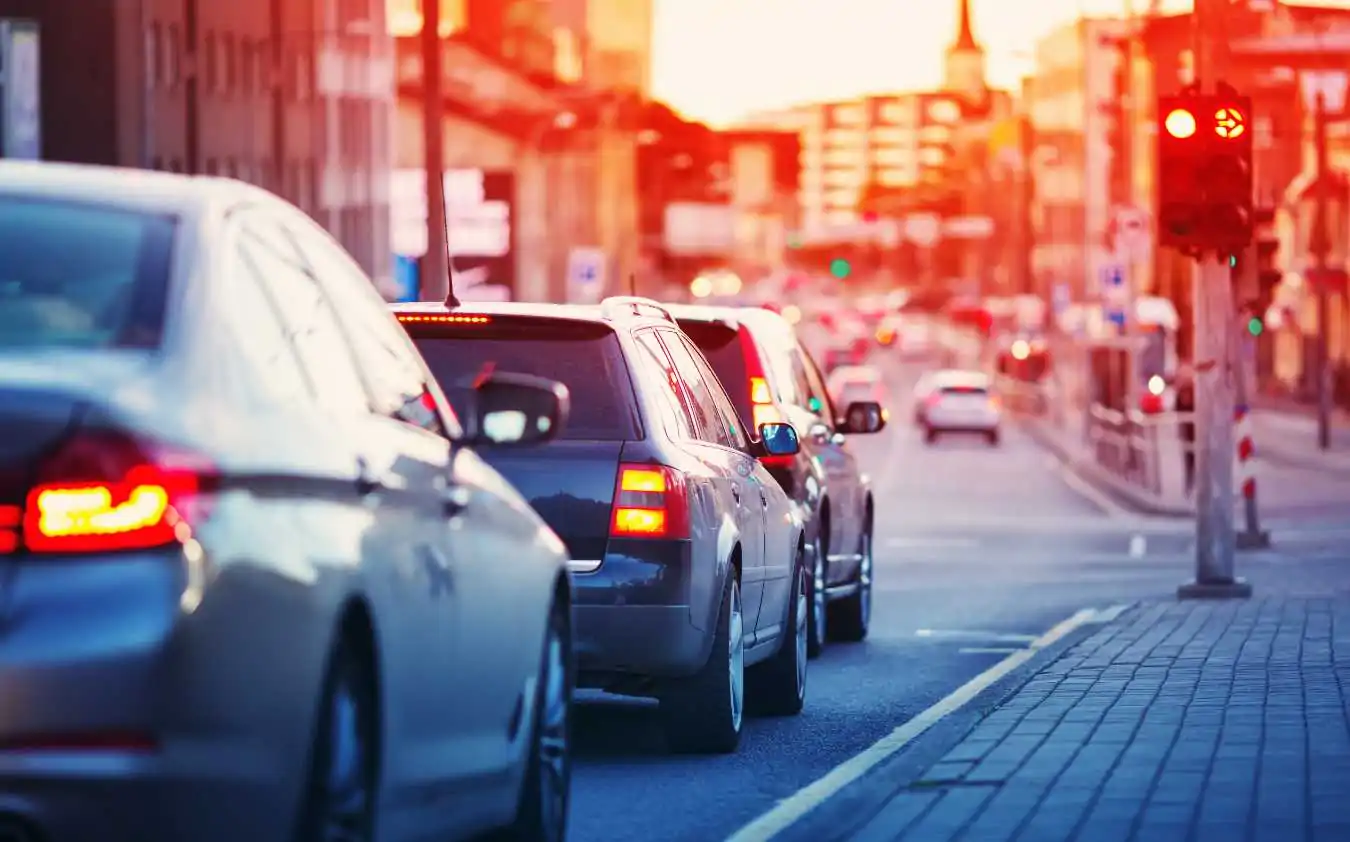
The most important road regulations – what should every driver remember?

In theory, every driver should know the road traffic regulations by heart. However, it is worth refreshing your knowledge from time to time. Let's look at important rules from the Highway Code.
Road rules – basic maneuvers
Road traffic law distinguishes the following maneuvers:
- evading - passing (passing) a vehicle or road user moving in the opposite direction,
- passing - passing (passing) a stationary vehicle, road user or obstacle,
- overtaking - passing (passing) a vehicle or road user moving in the same direction.
In the case of bypassing, the provision prohibiting this maneuver if the vehicle in front of us has stopped before a pedestrian crossing is particularly important. It is also worth remembering the basics related to overtaking motor vehicles. This maneuver is prohibited:
- when reaching the top of the hill,
- at a bend marked with warning signs,
- at an intersection, except at an intersection with circular traffic or where traffic is directed.
In most cases you should overtake on the left. Overtaking on the right is permitted on a road section with designated lanes:
- on a one-way road,
- on a two-way road if at least two traffic lanes in a built-up area or three traffic lanes outside a built-up area are intended for driving in the same direction.

Priority – road regulations
Who has the right of way?
When refreshing your knowledge about road regulations regarding right-of-way, it is good to remember the hierarchy of importance of signals, signs and regulations. It is as follows:
- in the first place are the commands and signals given by the person directing traffic, e.g. a policeman,
- next in the hierarchy are light signals,
- thirdly, we look at road signs,
- at the end we follow the right hand rule.
Slightly different rules apply to trams. They have priority at parallel intersections, when exiting a roundabout marked with "yield" and "road with priority" signs, or at a roundabout without a priority sign when entering and exiting. You must also give way to a rail vehicle at an intersection with signs, with the same hierarchy (e.g. at an intersection with broken priority).
What else is worth remembering? When changing lanes, the vehicle that is already driving in that lane has priority. When two vehicles change lanes at the same time, the one on the right has priority.
Roundabout and intersection – what they say traffic regulations?
The code does not even include the concept of "roundabout". The definition refers to a circular intersection where traffic flows in one direction around a square or island. It is marked at the entrance with the C-12 sign, often accompanied by A-7, meaning "give way".
When reaching the roundabout, pay attention to whether there is actually a characteristic inverted triangle sign next to the road. Although this is a rare situation, if it is not present, priority is given to vehicles entering the intersection and not those driving through the roundabout.

Speed camera - road regulations
Road speeds – basic information
For vehicles with a permissible total weight of up to 3,5 tons (cars, motorcycles, heavy goods vehicles), the following road speed limits apply:
- highway – 140 km/h,
- dual carriageway expressway – 120 km/h,
- single carriageway expressway – 100 km/h,
- dual carriageway with at least two lanes in each direction - 100 km/h,
- other roads, i.e. de facto routes outside built-up areas – 90 km/h,
- built-up area – 50 km/h regardless of the time of day,
- residence zone - 20 km / h.
What do you need to know about arrests and stops?
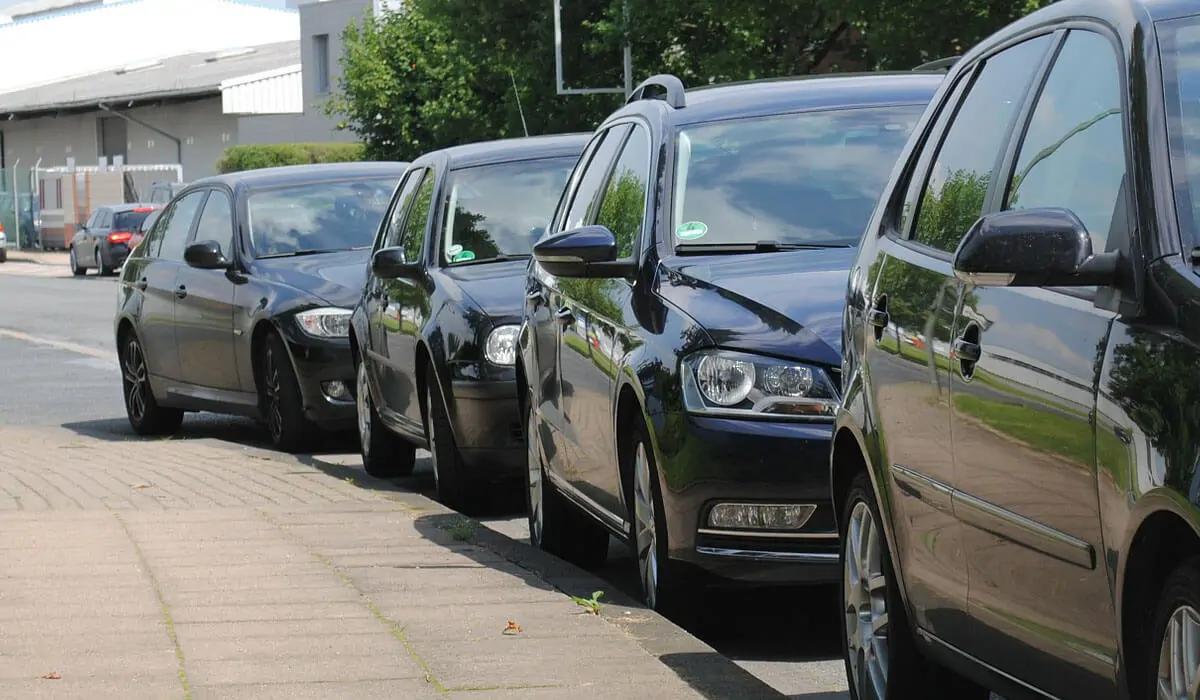
Stopping and standing are sometimes confused, but road traffic regulations clearly separate them. This is related to, among others, with other prohibitions regarding stopping and parking.
A stop is the immobilization of a vehicle not resulting from road traffic conditions or regulations, lasting no longer than one minute, as well as any immobilization of the vehicle resulting from these conditions or regulations. Parking is the immobilization of a vehicle not resulting from road traffic conditions or regulations, lasting longer than a minute.
Stopping is prohibited, among other things: directly on and at a distance of less than 10 m from railway and tram crossings, intersections, pedestrian crossings, bicycle crossings, as well as in tunnels, bridges, viaducts and stops.
Any stop is a stop, so wherever stopping is prohibited, no stop can occur. Additionally, parking is prohibited, e.g. in a place that impedes entry or exit and access to a properly parked vehicle, before and after a railway crossing, in a residential zone in a place other than the one designated for this purpose.
We write more about where our car can be parked in the text Parking on the sidewalk – what do the regulations say?.
Mandatory car equipment
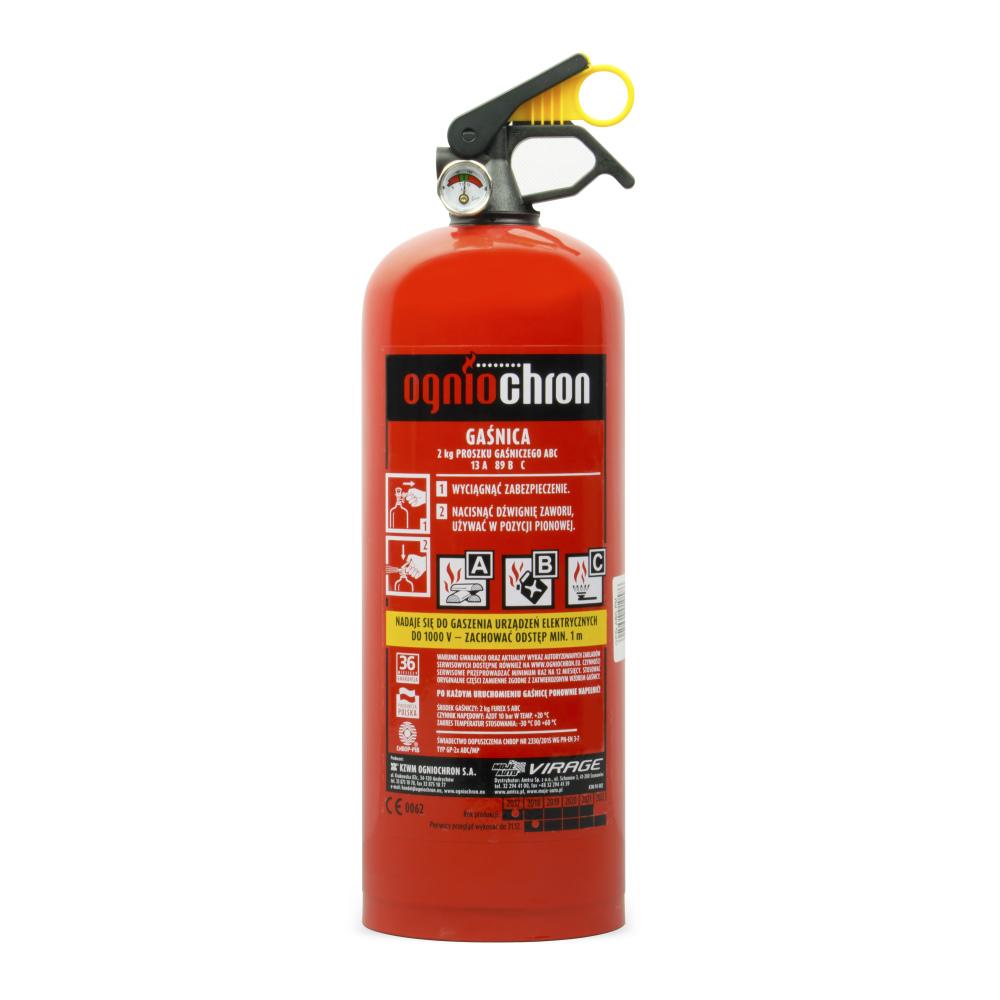
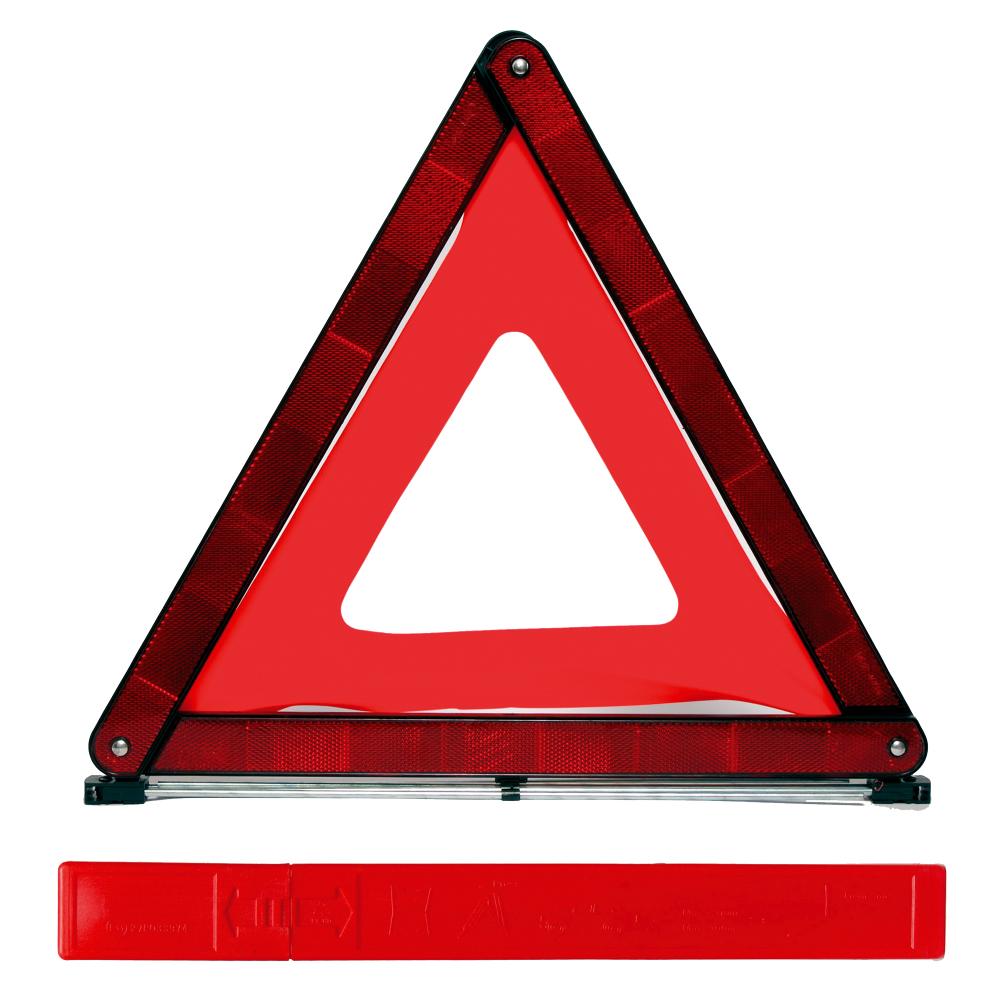
The list of mandatory car equipment is very short and includes:
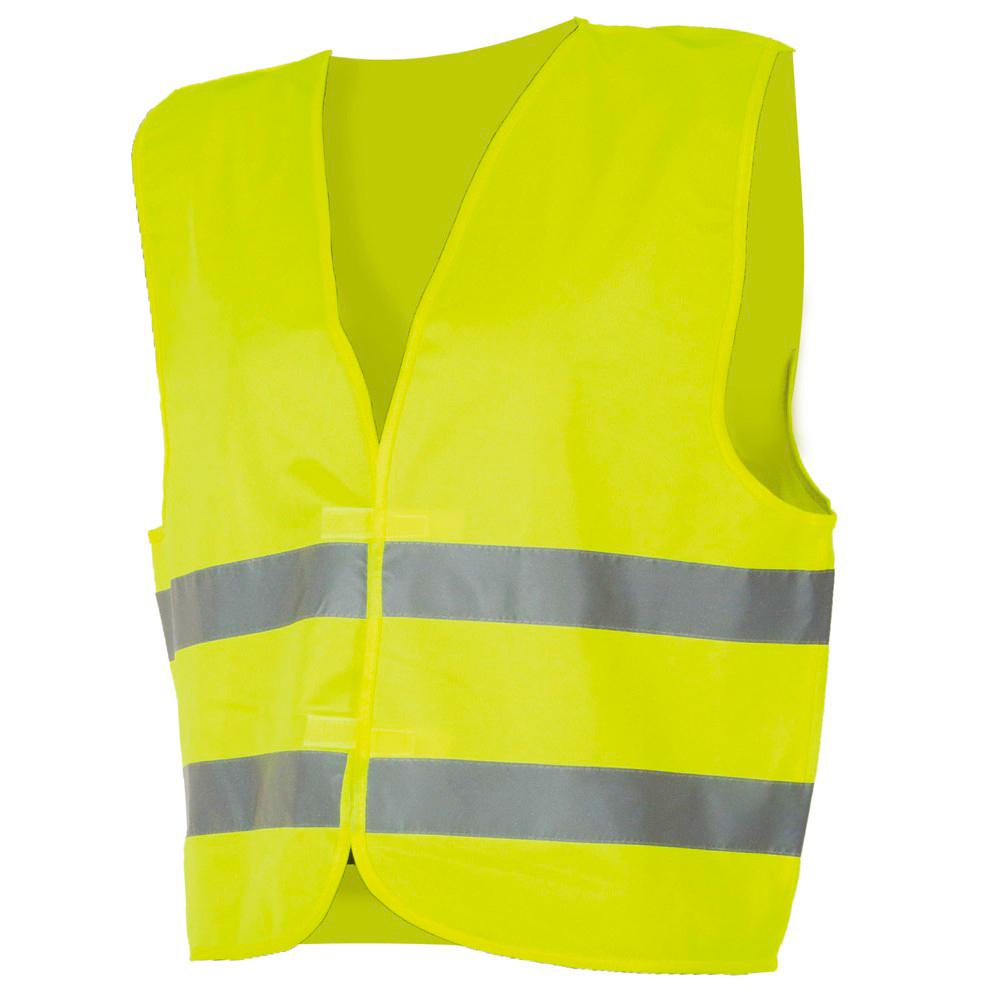
We also recommend taking it with you reflective vest, preferably four or five, for each passenger. It's not just a matter of safety. Road regulations require pedestrians to wear them outside built-up areas after dark.
Changes in regulations that entered into force at the turn of 2021/2022
Already in 2021, drivers were greeted with a list of changes in road traffic law. However, some of them concern not only drivers, but also pedestrians. The changes include standardization of the speed limit in built-up areas regardless of the time of day. The scope of pedestrian protection at pedestrian crossings has also been increased. The vehicle driver must observe both the crossing and its surroundings more closely. It is obliged to create safe passage for pedestrians. Both to those on the crossing and to those who are just approaching the crossing.
However, when it comes to pedestrians, the changes also affect them. They prohibit pedestrians from using a mobile phone and other devices that may impair perception while crossing the road.
Other important changes include the ban on bumper riding. Many drivers practiced this driving technique, which resulted in numerous collisions. After the changes, a specific distance between vehicles will apply, which will be 50% of the current speed. When driving, for example, 100 km/h, we must maintain a distance of 50 m behind the car in front.
The year 2022 brought a huge revolution in the highway code. The list of changes in road traffic law that drivers must be aware of is not only long, but also "costly". The changes, which will hit hard not only the fans of fast driving, include the new fine list. The fine for road traffic offenses related to speeding has increased significantly. Road pirates will have to keep a tight hold of their pockets if they decide to overtake at a pedestrian crossing or drive under the influence of alcohol. Failure to comply with the new regulations may result in a fine of up to several thousand zlotys.
However, this is not the end of higher fines for drivers who do not comply with the regulations. Penalties for using a phone while driving will also increase.
Fines in 2022 – how much will a road pirate pay?
Changes to the Highway Code coming in 2022 are definitely a fight against road piracy. High ticket prices and an increase in penalty points for offenses are some of the key changes. For those who like to hit the gas pedal, the stakes are high.
- Exceeding the speed limit to 30 km/h will cost PLN 400.
- Exceeding the speed limit from 31 to 40 km/h will result in a fine of PLN 800.
- For exceeding the speed limit of 41-50 km/h, you will have to pay PLN 1000.
- However, driving 51-60 km/h more will result in a fine of PLN 1500.
- If you exceed the speed limit by 61-70 km/h, your bank account balance will decrease by PLN 2000.
- And fans of aggressive driving who exceed the speed limit by more than 70 km/h will be obliged to pay a fine of as much as PLN 2500!
However, this is not the end of the revolution in mandates. We will also have to pay a fine of PLN 500 for using the phone while driving. What if we don't give priority to pedestrians?
PLN 1500 will disappear from your wallet. If you park in a disabled parking space without the appropriate permits, you will pay as much as PLN 800.
Well, there is no doubt that road piracy is a very expensive "hobby" that we definitely do not support! Moreover, the insurer will find out about any violation of the regulations and will increase the amount of third party liability insurance depending on the history of offenses. The insurer will have access to the CEPiK database, which will allow it to closely monitor all driver errors. The latter will then pay for them at a really higher third-party liability insurance rate.
Road traffic regulations that few people know
In Denmark, before starting your car, you must check whether there is a person lying under the car. In Germany you can drive naked as long as it does not offend other drivers. What unusual regulations apply in Poland?
Contrary to appearances, there are not so many of them, but a few are worth learning, especially those that may result in a fine. We may be fined, for example, for driving with contact lenses.
If we have a vision defect, it is worth looking at the back of the driving license and checking section 12. It will contain the code provided by the doctor when issuing the certificate allowing you to drive.
If the code 01.01 appears there, we are obliged to wear glasses. If the code 01.02 is there, you must have contact lenses. In the case of code 01.06, it is permissible to drive with both glasses and glasses. During an inspection, if a police officer sees the code 01.02 on your driving license and you are wearing glasses, he or she may issue you a fine of PLN 500 for driving without a license. To change the code, you need to go to the doctor again and apply for a new document.
Honking may also result in a fine, for example when someone is standing in front of you despite the green light. The law prohibits the use of a sound signal in built-up areas unless it is associated with immediate danger.
What other gems can you find? The code includes, among others: ban on keeping animals on the road. There is also a provision about a little-known speed limit. We cannot drive faster than 40 km/h on a motorcycle (also with a trailer), a quadricycle or a moped if we are transporting a child up to 7 years old. Above this age limit, the restriction does not apply. Due to unusual regulations, it is worth refreshing your knowledge about window covering. We write about it in the article Window tinting and regulations – can you tint car windows?.
Regardless of the applicable regulations, remember that the most important thing is safety. If you have any doubts about how to behave, simply slow down or give way, do not risk a collision or accident.