


Moje Auto at the SPA - spring car wash Ok, how to wash a car? Personally, spring…

Polishing a car by hand – how to do it?


Car polishing is a process that can change the appearance of your car, restoring its shine and eliminating minor scratches. Although many people decide to entrust this task to specialists, hand polishing the car it's not as complicated as it might seem. It requires some time, patience and the right tools, but the results may exceed your expectations.
Why is it worth polishing your car by hand?
Although it might seem that manual polishing of car paint is a time-consuming and demanding task, there are solid arguments in favor of this method.
First of all, by deciding on manual polishing, you gain full control over the entire process. You can focus on specific areas that need special attention, as well as adjust the pressure and polishing technique according to the condition of the paint. This allows for more precise and individual work compared to machine polishing.
Another aspect is safety. Polishing machines may be too invasive and, if used incorrectly, may damage the paint. In case of manual polishing of paint, it is much gentler on the car's surface and reduces the risk of new scratches or other damage.
Finally, it is worth mentioning the financial aspect. Hand polishing is usually a cheaper option.
Manual paint polishing – how to prepare your car?

Preparing the car for manual polishing This is a crucial step that should not be skipped. Proper preparation can significantly improve polishing results and help avoid additional scratches or damage. Here are some steps you should take before hand polishing your car. How to polish a car?
Thorough car washing.
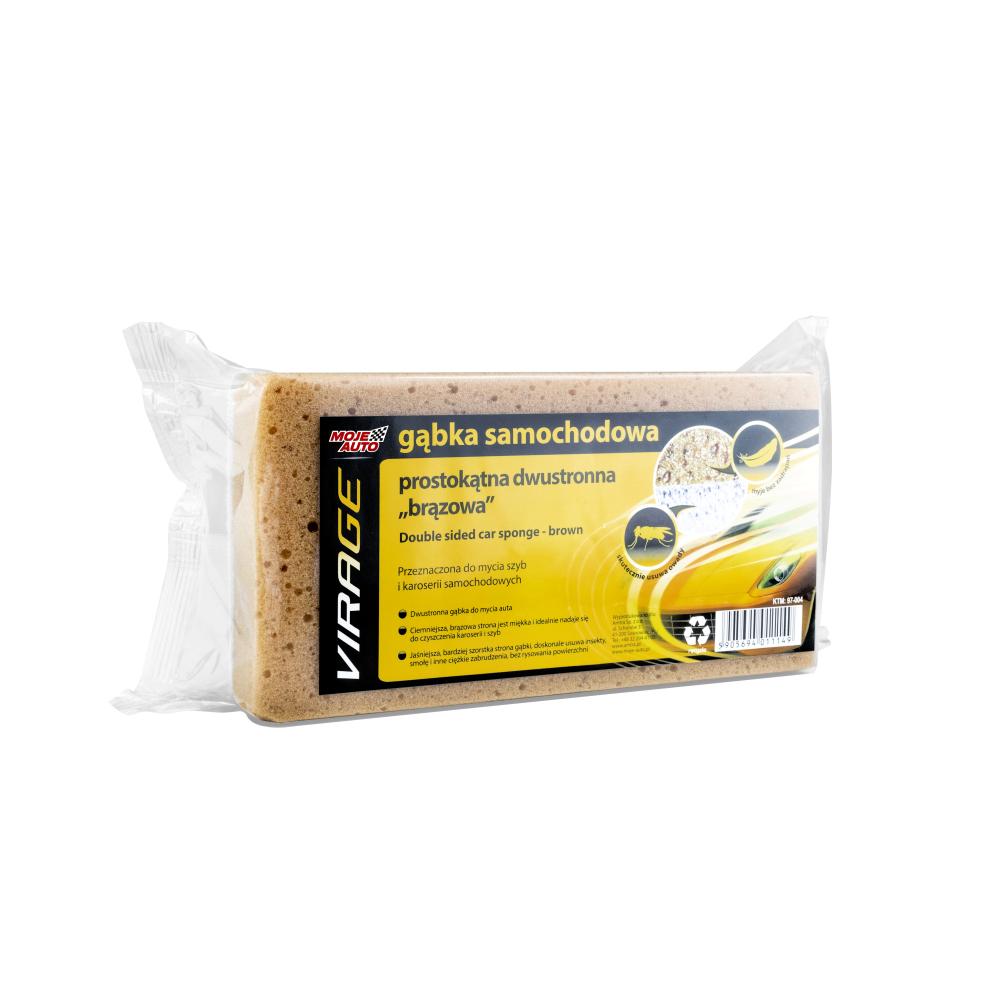
The first step is to wash the vehicle thoroughly. Use car washing shampoo i sponges and/ or car washing gloveto remove any dirt and dust. However, washing the car alone is not able to get rid of deep-seated dirt, especially if the paint has highly visible swirls. Therefore, it is recommended to perform claying after washing the car, which will thoroughly remove impurities such as resin residues or insect remains. For this purpose, it is best to equip yourself with claying glove and/ or traditional clay. Be sure to rinse your car thoroughly and dry it before the next step.
Degreasing the paint.
After washing the car, it is worth degreasing the paint. For this purpose, you can use a special degreasing agent available in automotive stores. Degreasing will help remove any remaining oil, grease or asphalt that could interfere with the polishing process.
Paint condition check.
Before polishing, it is worth carefully assessing the condition of the paint. Look for deep scratches, cracks, places with dull paint or signs of corrosion. These areas may require specialized treatment or professional renovation.
Protection of elements that should not be polished.
Prepare your car by protecting parts that will not be polished. These include, for example, plastic external elements, rubber seals and glass. Masking tape can be used to protect these items.
Remember that proper preparation of the car for polishing will result in the best possible final result. Therefore, it is worth devoting the appropriate amount of time and energy to this stage.
Which set for hand polishing a car?
Polishing the car by hand requires several key tools and resources to help you achieve professional results. Here is a list of basic things you should have on hand:
Polishing paste.
This is a key agent for polishing paint. It is available in various gradations - from coarse-grained, which are used to remove deeper scratches, to fine-grained, which are used to finish and add shine.
Polishing pad.
It is a special sponge or applicator used to apply the polishing paste to the varnish. Polishing pads are available in various hardnesses and sizes, and choosing the right one depends on the condition of the paint and the type of paste used.
Microfiber.
After polishing, microfiber is necessary to remove the remains of the polishing paste and polish the varnish to a shine. It is worth investing in several pieces to always have a clean and dry cloth at hand.
Masking tape.
Before polishing, it is worth protecting with masking tape those parts of the car that should not come into contact with the polishing paste, such as plastic body elements or rubber seals.
Protective gloves.
Polishing a car is a job that requires direct contact with various chemicals. Therefore, it is worth purchasing protective gloves to protect the skin of your hands.
Degreaser.
This agent will help clean the paint surface before polishing, removing any remaining oil, grease or asphalt.
Car wash shampoo and sponge.
Car washing shampoo i sponge are necessary to thoroughly wash the car before starting the polishing process.
Remember that the right set for hand polishing the car this is the key to success in the entire process. By investing in good quality products, you increase your chances of achieving satisfactory results.
Polishing a car by hand – how to do it?

After preparing the car for manual polishing and having obtained the appropriate set, you can proceed to the polishing process itself.
Start by applying a small amount of polishing compound to the polishing pad. Apply the paste to a small area of the varnish, usually no larger than 50×50 cm, to be able to precisely control the process. Then gently spread the paste over the paint surface using circular movements. Try to work evenly without applying too much pressure to avoid damaging the paint. Remember to always work on dry varnish, and if necessary, add some water or a special polishing liquid.
After finished polishing, it is necessary to thoroughly remove the remains of the polishing paste. To do this, use a clean cloth or microfiber cloth, which is gentle on the paint and effectively collects product remnants. Wipe the surface of the car, thoroughly removing all traces of the polish. Make sure all the paste is removed to avoid leaving stains or streaks on the surface. If the paste dries on the varnish, it may be difficult to remove it, so it is worth doing it on an ongoing basis, working in stages.
Manual polishing of car paint – the most common mistakes
Polishing the car by hand it is a process that can bring amazing results, but also carries the risk of making some mistakes. Below are the 3 most common mistakes that may occur during this activity and tips on how to avoid them.
Polishing on uncleaned surfaces.
Always make sure your car is thoroughly washed and dried before polishing. Dirt and dust can act like sandpaper, causing additional scratches on the paint.
Improper use of polishing agents.
Each polishing product has its own specific instructions regarding application time and method of use. Do not leave chemical preparations on the bodywork longer or shorter than the manufacturer recommends.
Neglect of deep scratches or oxidized layer.
Deep scratches that reach the lower layers of the paint or an oxidized layer of paint require specialized treatment. This may include using specialized products or seeking the services of a professional.
Remember that proper preparation, patience and attention are the keys to effectively and safely hand polishing your car. By avoiding the above mistakes, you increase your chances of achieving professional results.
How to maintain the effect after hand polishing your car?
Maintaining the effect after polishing the car by hand requires regular car care. Here are some tips to help keep your car in great condition:
Regular washing.
Washing your car regularly is key to maintaining the polishing effect. This allows you to remove dirt, dust and other contaminants that may scratch and dull the paint over time.
Applying wax.
To make the polishing effect last as long as possible, you should use wet or dry wax at least once a quarter. Wax creates a protective layer on the surface of the paint, which protects it from damage and helps maintain its shine. Check out Wet Wax
Avoiding sun exposure.
Prolonged exposure of the car to the sun can lead to fading and oxidation of the paint. If possible, try to park your car in the shade or in a garage.
Regular inspection of the paint condition.
Check the condition of the paint regularly to quickly detect any problems. Deep scratches or oxidized areas may require professional restoration.
Appropriate cosmetics.
Use only proven ones car cosmetics for paint care. Improper agents can harm the car's surface and ruin the polishing results.
Remember that maintaining the effect after hand polishing your car is a process that requires regularity and attention. Consistency and systematicity in car care is the key to maintaining its perfect appearance for a long time.


