


Most manufacturers claim that car wipers work best for about half a year from...

Work gloves and their purpose for different types of work


Work gloves are a basic piece of equipment for anyone who performs tasks that require hand protection. Choosing the right model can significantly affect safety and comfort at work. Below we present how to match gloves to different applications and what to look for when choosing.
- Work gloves provide hand protection against various hazards, such as chemicals, high temperatures and sharp edges.
- The choice of a specific model depends on the specifics of the work, e.g. the use of leather, rubber or latex coating.
- A well-fitting size and regular checks of the gloves' condition guarantee maximum safety. How to choose work gloves for the specifics of the job?
- How to choose gloves for specific work?
- Winter Work Gloves – Keeping Warm While Working Outside
- Are leather work gloves the best choice for working with hand tools?
- How do nitrile protective gloves ensure chemical safety?
- When is it best to use polyester and latex gloves for precision tasks?
- Where are coated knit gloves best suited for better grip?
- In what situations are speckled work gloves most effective?
- Which work gloves provide cut protection?
- How to choose gloves that provide comfort in hot working conditions?
How to choose gloves for specific work?
The basis is the analysis of hazards: do we work in contact with chemicals, high or low temperatures, or perhaps with sharp edges? All work gloves have a specific level of protection, so when choosing, you should pay attention to the standard markings (e.g. resistance to cuts or chemicals). It is also important to maintain comfort during precise activities. It is also worth assessing how often and how intensively you will use the gloves to choose a model that is appropriately strong and durable. In addition, you should also pay attention to the correct size and fit of the glove, which significantly increases safety and precision of movements.
Check what is worth having in your car except the gloves.
Winter Work Gloves – Keeping Warm While Working Outside
Working in low temperatures requires the use of appropriate gloves that will provide your hands with warmth and comfort. For this purpose, winter work gloves, equipped with an internal warming layer that allows you to maintain the right hand temperature. Such gloves are often waterproof and windproof, which additionally protects against cold and moisture when working in difficult weather conditions. When the temperature drops significantly, good insulation is crucial to maintain manual dexterity and avoid frostbite.
Are leather work gloves the best choice for working with hand tools?
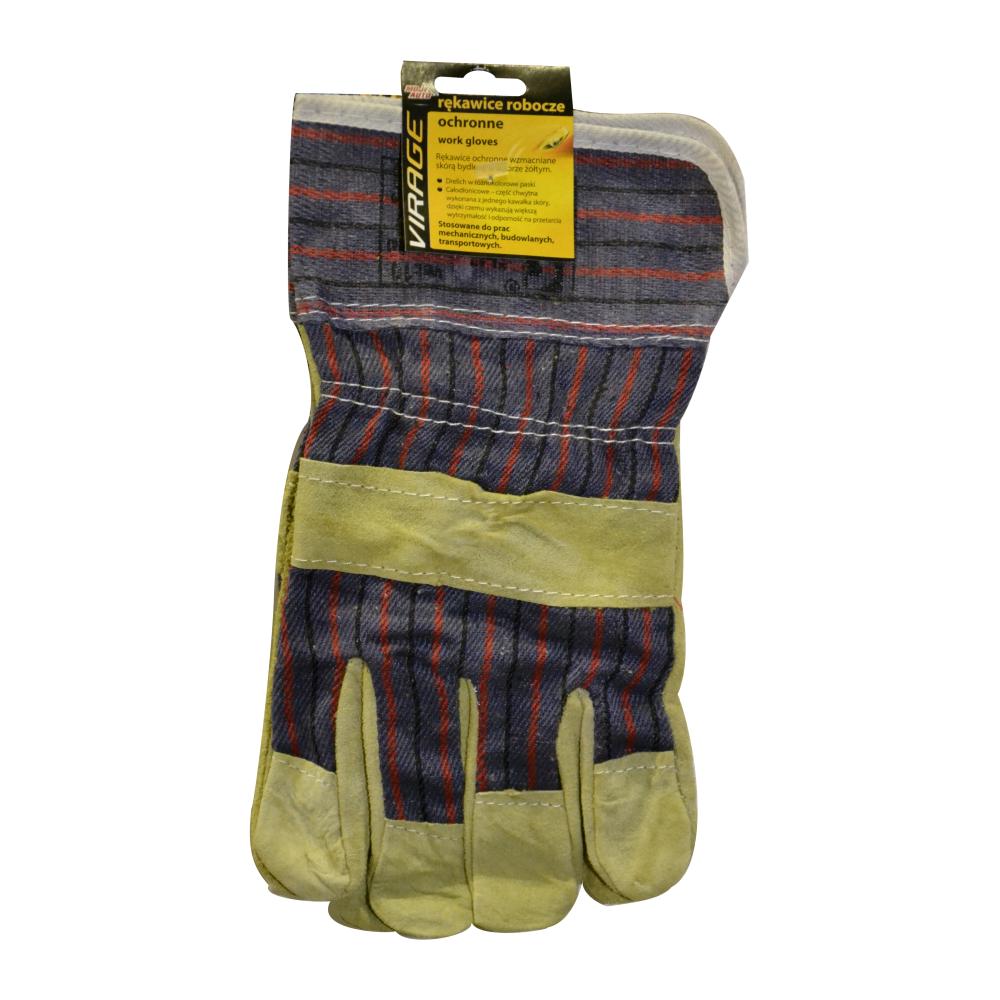
The next model, then leather work gloves are often chosen for work requiring a strong grip and some protection against abrasion. Leather is durable and relatively resistant to shocks, so it is suitable for activities using hand tools, such as a hammer or a wrench. Additionally, some models have reinforced seams, which increases their resistance to tearing during intensive use. However, it should be remembered that an additional protective coating may be needed when working with oils and greases.
What else is worth remembering in the case of leather work gloves? A good idea would be to periodically preserve the leather with appropriate preparations to maintain its elasticity and durability.
How do nitrile protective gloves ensure chemical safety?

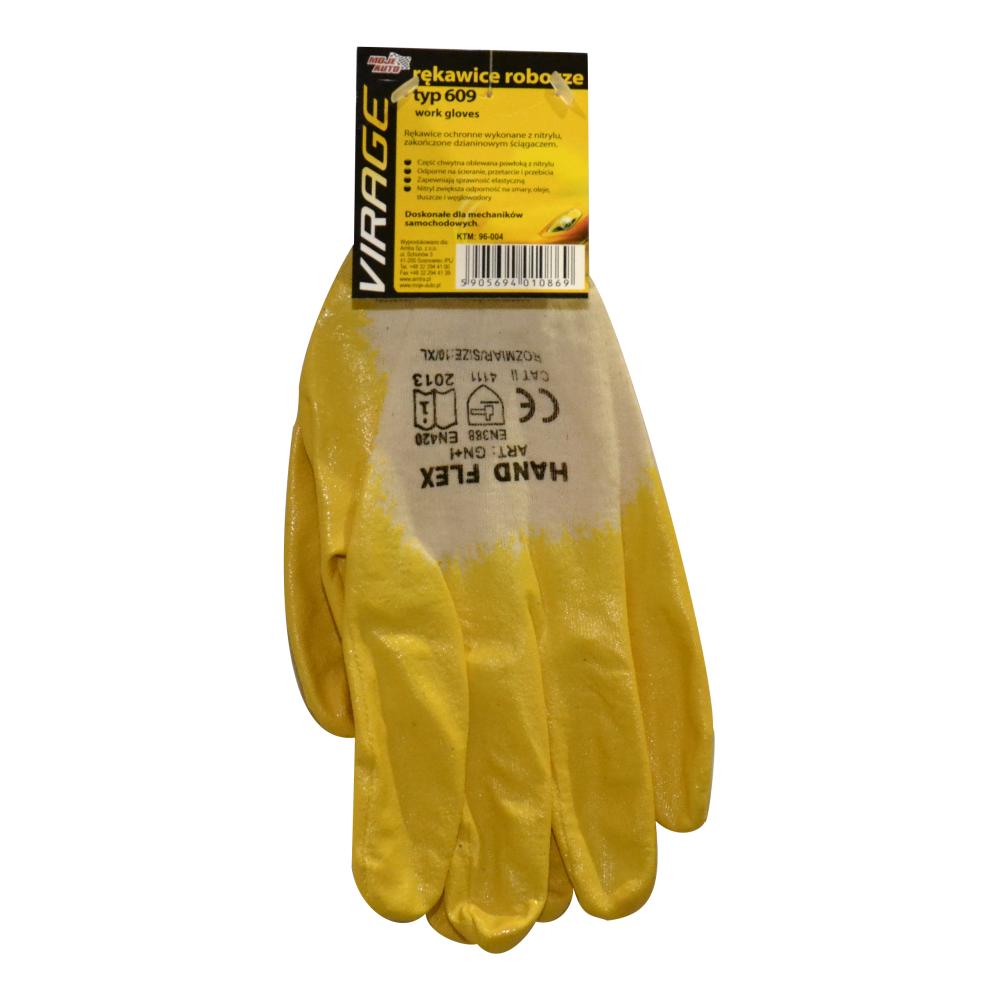
More and more people working with aggressive substances choose nitrile protective gloves, valued for their high resistance to chemicals and oils. Why? Nitrile itself guarantees not only high mechanical strength, but also much better flexibility than traditional rubber. For this reason, such nitrile gloves They are perfect for environments with high levels of dirt, where hands require special protection. Compared to other materials, nitrile is less likely to cause allergic reactions, so it can be used by people who are allergic to latex. These gloves are great for car chassis maintenance, and engine oil change and more!
When is it best to use polyester and latex gloves for precision tasks?
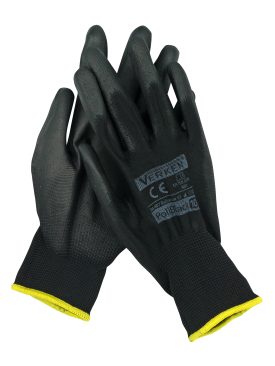
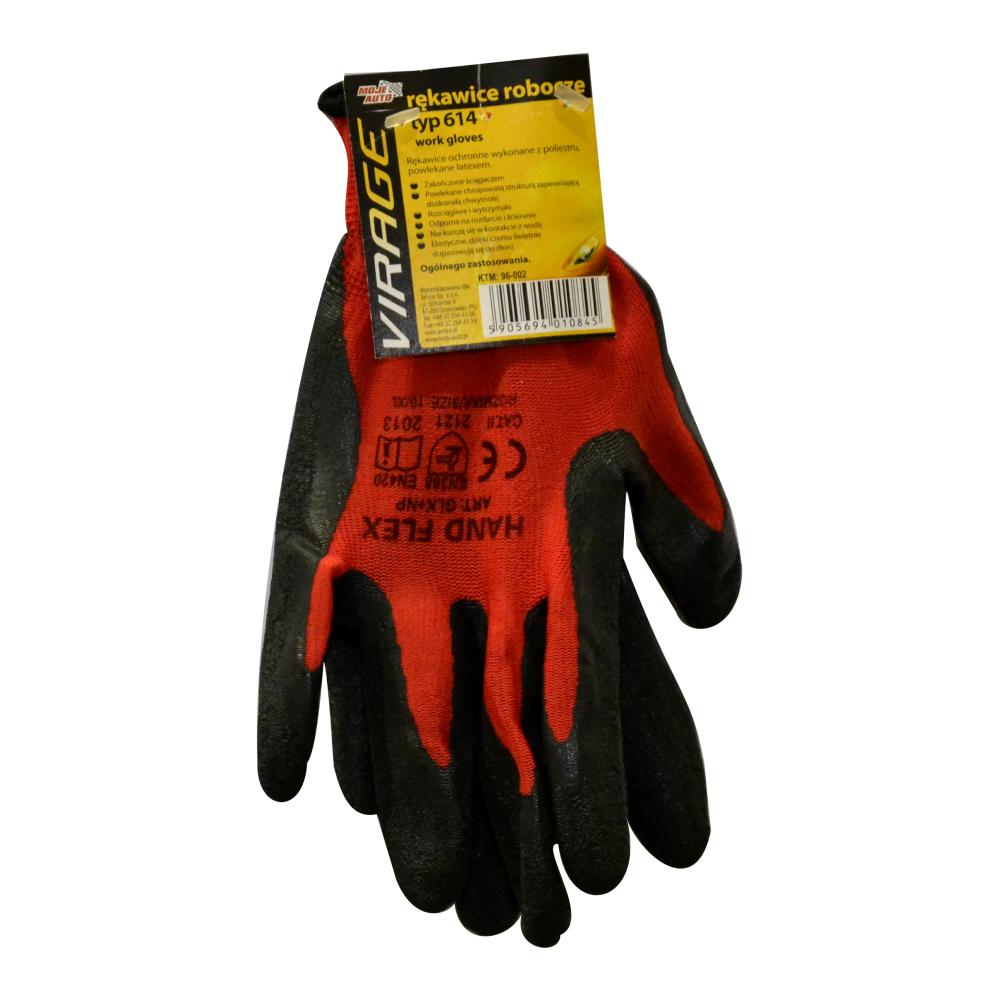
The next option is polyester and latex work gloves, which are often used for work requiring precision and a good feel for tools and elements. Thanks to the flexible latex coating, they guarantee a firm grip and protection against minor injuries, while also allowing for maintaining great finger agility. The latex layer provides additional mechanical resistance, protecting the hands from abrasions or minor cuts. At the same time, the polyester material provides better ventilation, which helps reduce hand sweating during longer work.
Where are coated knit gloves best suited for better grip?

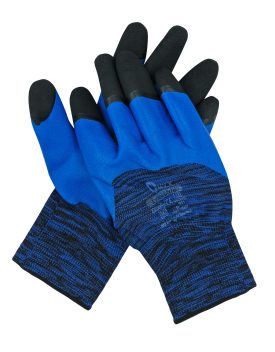
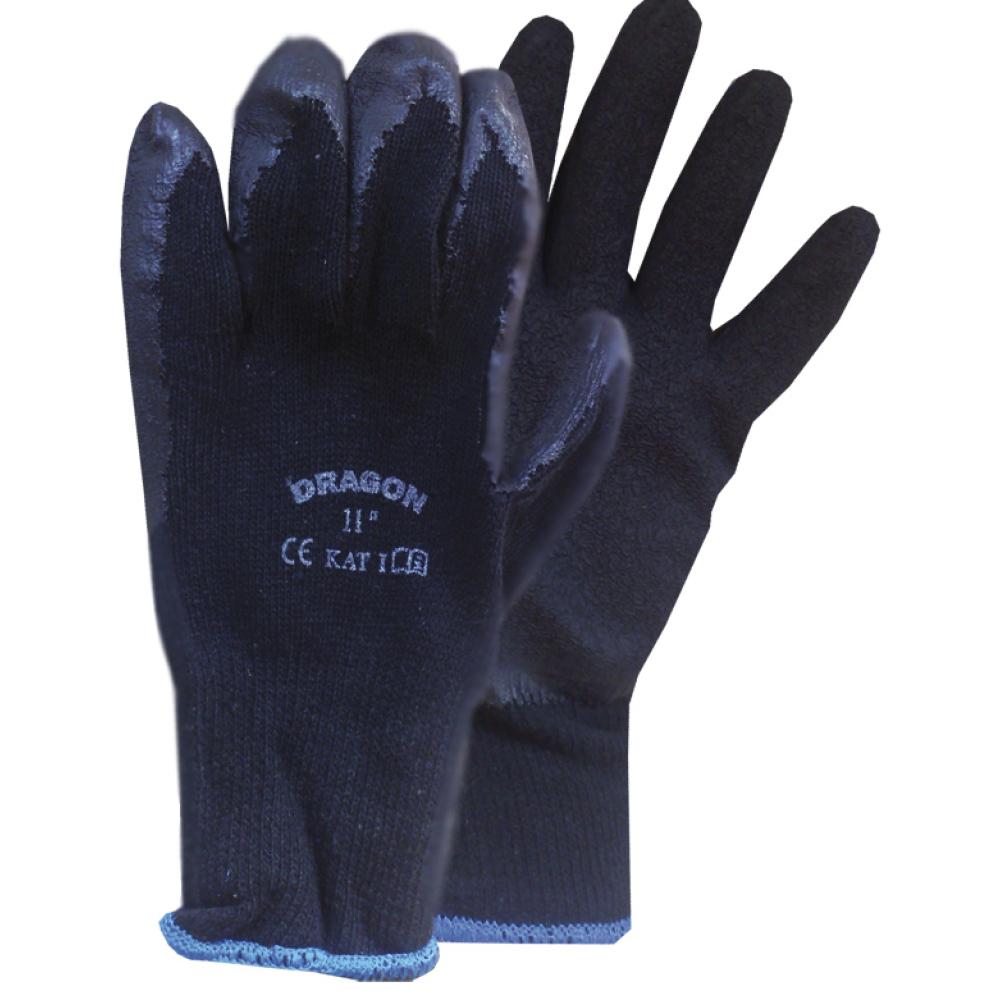
The models are perfect for work that requires both protection and comfort. coated knit gloves (e.g. latex or nitrile). This is because they combine the breathability of the knit with the protective properties of the coating. During tasks where a firm grip and adhesion are important, coated knit gloves provide full control even when carrying slippery or wet objects, and at the same time reduce hand sweating. Thanks to their flexible structure and adjustment to the shape of the hand, they increase comfort during longer work, without restricting finger movements. It is also worth remembering to check them regularly, because any damage can significantly reduce the level of protection.
In what situations are speckled work gloves most effective?

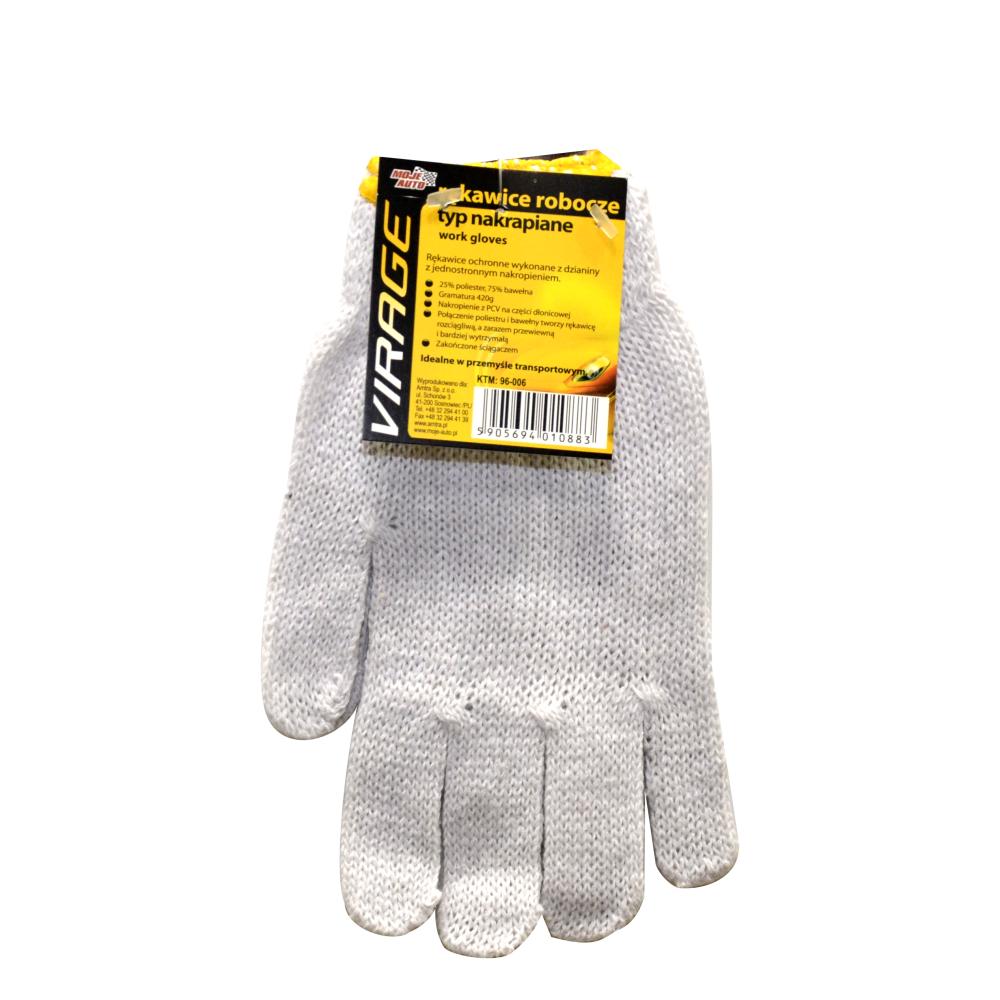
these speckled work gloves are perfect for lighter warehouse work, packing or sorting goods. Their surface is covered with special, anti-slip points that increase friction and reduce the risk of objects slipping out of the hand. Thanks to the airy knitwear, such spotted gloves provide comfort even when worn for a longer period of time, which translates into greater efficiency and safety at work. It is worth getting them, for example, replacing spark plugs!
Which work gloves provide cut protection?
When working with sharp edges, use work gloves made of fibers with increased cut resistance, such as Kevlar or Dyneema. They are usually marked with a cut resistance class according to the EN388 standard, which allows you to easily choose the right level of protection for specific tasks. When deciding to buy them, it is worth paying attention to the actual working conditions and threats to provide your hands with maximum protection.
How to choose gloves that provide comfort in hot working conditions?
High ambient temperatures or contact with hot surfaces require the use of specialist thermal protective gloves. The material from which they are made must provide thermal insulation while allowing moisture to escape. It is also important that the gloves do not restrict movement and allow for a firm grip - otherwise, dangerous slippage of objects may occur.
Choosing the right work gloves depends largely on the specifics of the job. A properly selected glove can significantly increase safety and comfort during everyday tasks. We hope that our guide clarifies any doubts about work gloves.


